
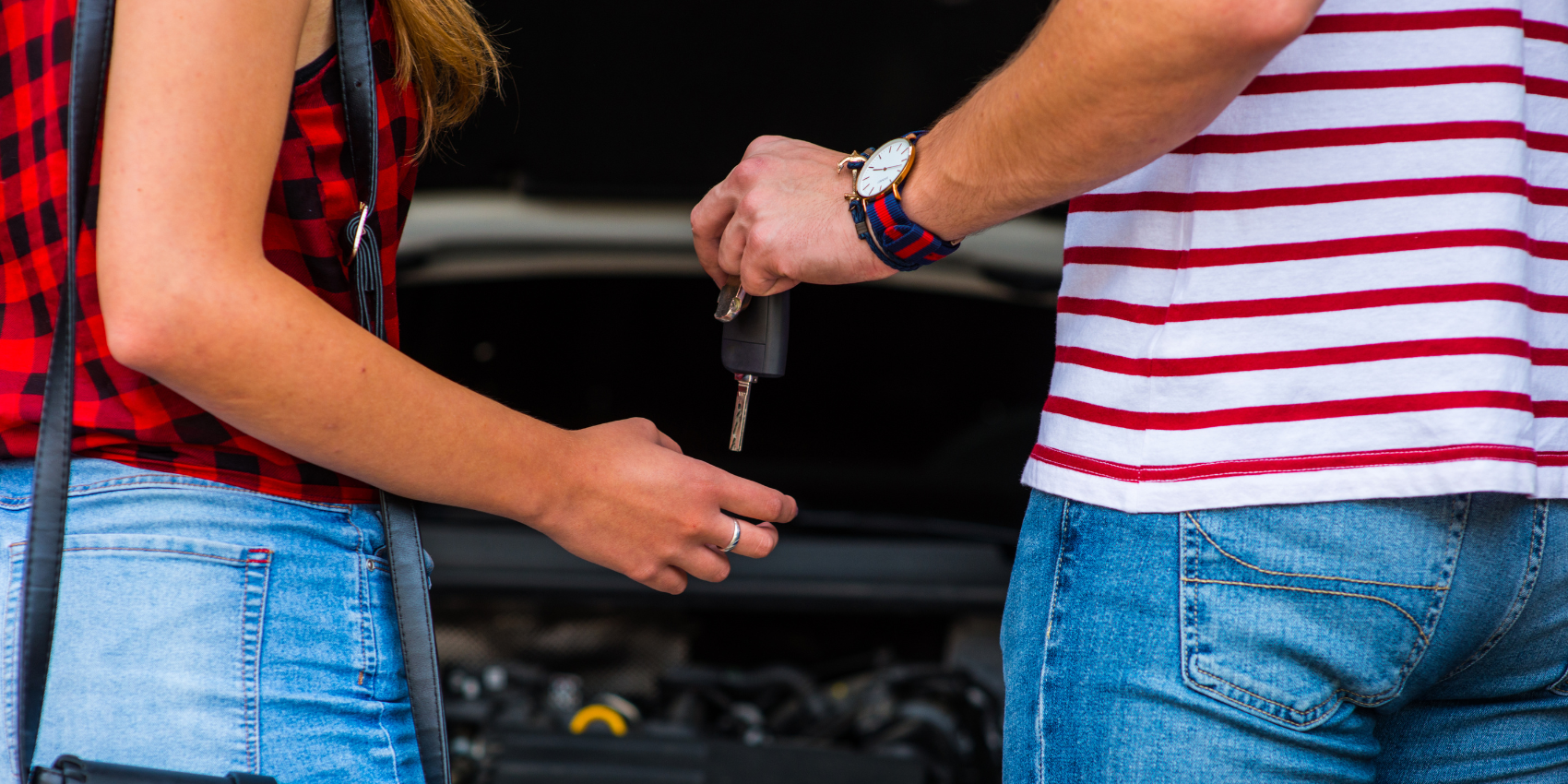
Before You Toss Them the Keys…
It’s your annual family reunion. Your out-of-town nephew offers to make a snack run and asks if he can borrow your car. It seems like a simple favor. After all, you trust him.
But before you hand over the keys, there’s one important question to ask yourself: What happens if he gets into an accident?
Many drivers assume the person behind the wheel is responsible because it’s their insurance that will pay. Surprisingly, that’s usually not how it works. In most cases, car insurance follows the vehicle – not the driver. That means lending your car could expose you to financial risk, even if you weren’t anywhere near the accident.
Whether you’re loaning your vehicle to a friend, letting a visiting relative borrow it, or you’re someone who regularly drives cars you don’t own, understanding how insurance works – and options for non-owners – can help you avoid expensive surprises.
Car Insurance Usually Follows the Car
If someone borrows your vehicle with your permission and causes an accident, your auto insurance is generally the first policy that comes into play.
That means your liability coverage may pay for injuries or property damage suffered by others. If you carry collision coverage, it may also pay to repair your vehicle after you’ve paid your deductible. If the damages exceed your policy limits, the driver’s own auto insurance may provide secondary coverage. But your insurance is typically first in line.
That’s why lending your car isn’t always the small favor it seems. An accident could lead to higher insurance premiums, out-of-pocket expenses, and even liability issues depending on the circumstances.
Before You Hand Over the Keys
If someone asks to borrow your vehicle, a little preparation can go a long way toward protecting everyone involved. Before saying yes, consider these questions:
- Does the driver have a valid driver’s license?
- Do they have a safe driving record?
- Do they carry their own auto insurance?
- Does your policy allow other drivers to use your vehicle?
- Have you discussed who would be responsible for paying the deductible if an accident occurs?
Having these conversations may feel uncomfortable, but they’re far easier than sorting out insurance claims after a crash. A quick review of your policy and a conversation with your insurance agent can provide peace of mind and help ensure that a simple favor doesn’t turn into a costly mistake.
Don’t Own a Car? You May Still Need Insurance
Not everyone owns a vehicle, but many people still drive. Maybe you regularly borrow a family member’s car. Perhaps you rent vehicles while traveling or occasionally drive a friend’s car when running errands.
In those situations, non-owner car insurance may be worth considering.
A non-owner policy is designed for licensed drivers who don’t own a vehicle but drive occasionally. While it doesn’t insure a specific car, it can provide valuable liability protection if you’re responsible for an accident while driving someone else’s vehicle.
These policies are often much less expensive than traditional auto insurance because they assume you drive less frequently.
What Does Non-Owner Car Insurance Cover?
Coverage varies by insurer and state, but a typical non-owner policy may include:
- Liability coverage, which pays for injuries or property damage you cause to others.
- Uninsured motorist coverage, which helps pay for your injuries if you’re hit by a driver who has no insurance.
- Underinsured motorist coverage, which can help if the at-fault driver’s insurance isn’t enough to cover your injuries.
- Medical payments or personal injury protection (PIP), depending on your state, which may help cover medical expenses regardless of who caused the accident.
While these coverages can provide valuable protection, it’s equally important to understand what a non-owner policy doesn’t include.
What Isn’t Covered?
Non-owner car insurance has some important limitations. Typically, it does not include:
- Collision coverage, which pays to repair the vehicle you’re driving after an accident.
- Comprehensive coverage, which covers damage from events like hail, theft, vandalism, fire, or hitting an animal.
- Coverage for business-related driving in many situations.
- Intentional damage or personal belongings inside the vehicle.
Because every policy is different, it’s important to review the details with your insurance advisor before assuming you’re protected.
Who Should Consider Non-Owner Car Insurance?
A non-owner policy isn’t necessary for everyone. For example, if you regularly drive a car owned by someone in your household, you should be added to that person’s insurance policy. Likewise, if you only rent a car once in a while, purchasing the rental company’s liability coverage may make more sense than carrying a year-round non-owner policy.
However, non-owner insurance can be a smart choice if you:
- Frequently borrow vehicles from friends or relatives.
- Rent cars often.
- Want liability protection without owning a vehicle.
- Need to maintain continuous insurance coverage between vehicles.
An insurance professional can help determine whether it’s the right fit for your situation.
Related Articles
Ready to get a quote?
Get a quote online or speak with a trusted representative by calling 1.866.680.5143.
Get a quote online or speak with a trusted representative by calling 1.866.680.5143.