
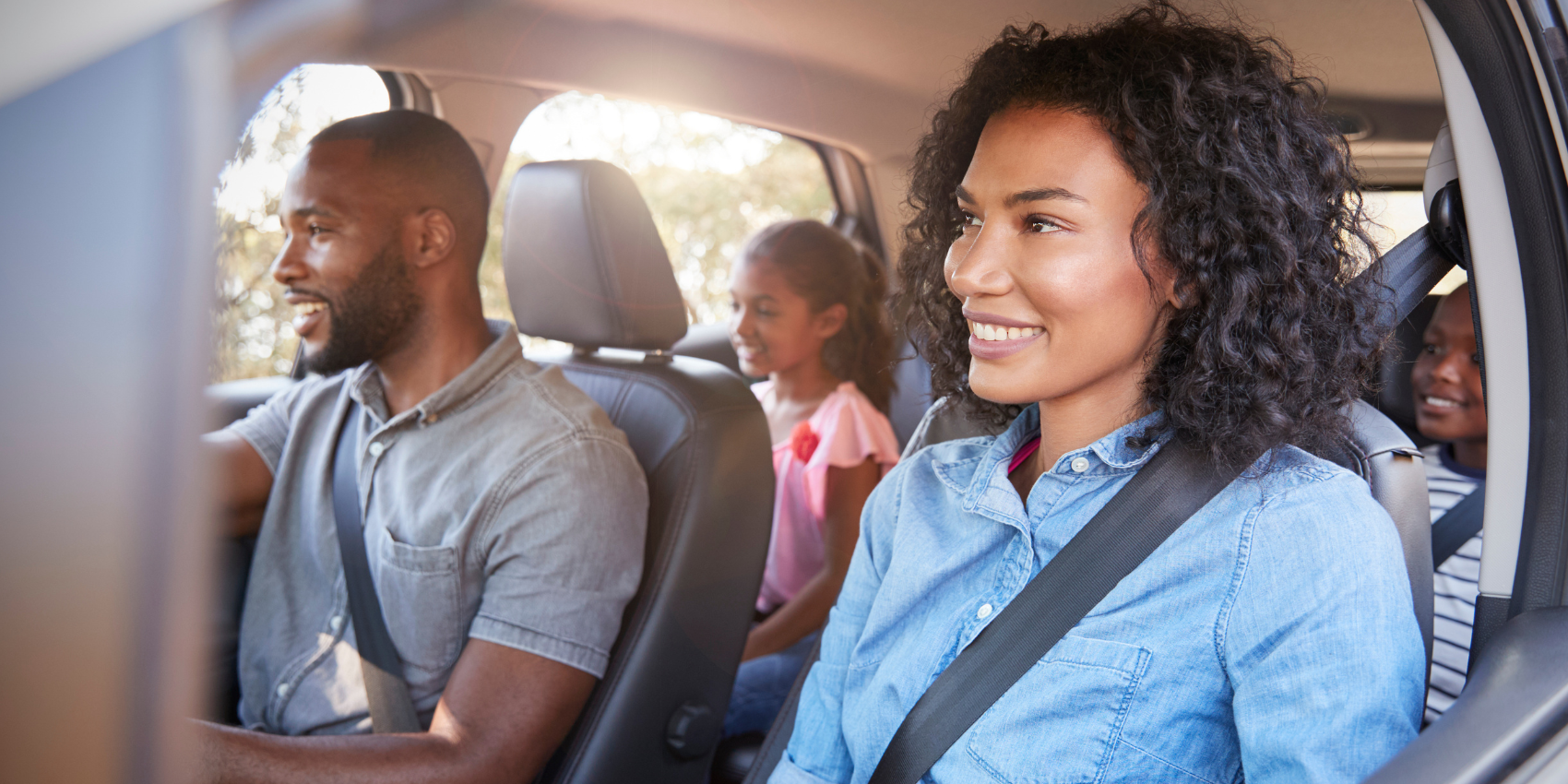
Cruising into Summer: Roadside Risks and Realities
Summer is made for road trips, beach days, backyard barbecues, and spontaneous warm-weather adventures. It’s the season when families pile into the car, vacationers head to their favorite destinations, and friends gather to make the most of the long, sunny days.
With more people traveling, roads become busier than ever, increasing the risk of distracted driving and preventable accidents. A little extra awareness can help keep you, your passengers, and everyone around you safe.
Construction Season Is in Full Swing
If you’ve driven anywhere lately, you’ve probably encountered orange cones, flashing signs, and the occasional surprise detour. Work zones can create a perfect storm of hazards, including sudden lane shifts, reduced speed limits, uneven pavement, and workers operating heavy equipment just feet from moving traffic. The biggest mistake drivers make in work zones is treating them as an inconvenience rather than a safety concern.
Quick Tips:
- Leave extra travel time and expect delays.
- Watch carefully for flaggers, workers, and changing traffic patterns.
- Merge early when lanes are closing.
- Increase your following distance.
- Put distractions away.
Summer Parties Mean More Impaired Drivers
Summer is celebration season. Barbecues, weddings, concerts, family reunions, and holiday gatherings fill calendars throughout July and August. Unfortunately, they also contribute to an increase in impaired driving incidents.
Most people know not to drink and drive. But even if you’re making responsible choices, you still have to share the road with drivers who may not be. That means paying extra attention during evenings, weekends, and holiday periods when impaired driving crashes tend to increase.
Quick Tips:
- Watch for weaving, erratic speeds, and delayed reactions.
- Keep a safe distance from suspected impaired drivers.
- Never confront another driver.
- Contact law enforcement if it is safe to do so.
Vacation Drivers Are Everywhere
Summer roads are filled with people on road trips exploring new places. Some are navigating unfamiliar roads. Others are trying to follow GPS directions while managing excited passengers, beach gear, luggage, and a vehicle packed to the roof. Vacation drivers aren’t necessarily bad drivers; they’re simply dealing with a lot.
Add high temperatures to the mix, and vehicle problems become more common – both on vacation and at home. Heat can increase tire pressure, contribute to blowouts, and put extra strain on engines and cooling systems.
Quick Tips:
- Notice an out-of-state license plate? Give those drivers extra room.
- Expect hesitant or last-minute driving decisions.
- Schedule a maintenance inspection before a long trip.
- Monitor your vehicle’s fluid levels and engine temperature, and check tire pressure regularly.
New Drivers Are Getting Their Summer Miles
For many teenagers, summer means freedom. It’s their first season driving to work, meeting friends, running errands, and taking solo trips without a parent in the passenger seat. Teen drivers are still developing the judgment and instincts that come with experience. They may hesitate at intersections, brake unexpectedly, misjudge gaps in traffic, or struggle with unfamiliar situations.
Quick Tips:
- Avoid crowding young drivers.
- Expect sudden stops or hesitation.
- Leave extra following distance.
- Be patient if a driver seems unsure.
- Parents, consider driver monitoring apps to keep tabs on your teen.
Motorcycles Are Back on the Road
Motorcycles are smaller than passenger vehicles and can easily disappear into blind spots. They can also stop more quickly than many drivers realize. Sharing the road safely is important. A common statement after a motorcycle crash is, “I didn’t see them.” That’s why looking once isn’t always enough. Check mirrors, scan carefully before changing lanes, and take an extra moment at intersections.
Quick Tips:
- Double-check blind spots.
- Leave additional following distance.
- Look twice before changing lanes.
- Give motorcycles a full lane of space.
Don’t Forget About Bicycles
Summer is prime cycling season. Whether it’s a serious cyclist logging miles, a family enjoying a neighborhood ride, or someone commuting to work, bicycles are everywhere once the weather improves, and you will need to share the road safely with them.
Many drivers don’t realize that bicyclists generally have the same rights and responsibilities as motorists under state traffic laws. The most dangerous moments often occur at intersections, driveways, and when drivers open parked car doors into a cyclist’s path.
Quick Tips:
- Watch carefully before turning.
- Check mirrors and blind spots for cyclists.
- Look before opening vehicle doors.
- Give bicyclists plenty of room when passing.
Pedestrians Have Their Own Distractions
It’s not just drivers who are distracted these days. Pedestrians are often looking at phones, listening to music, texting, or otherwise focused on something other than traffic. That means they may step into a crosswalk unexpectedly or fail to notice approaching vehicles. Drivers should remain especially vigilant near shopping areas, beaches, parks, and entertainment districts where foot traffic increases during summer months.
Quick Tips:
- Slow down in pedestrian-heavy areas.
- Stop for pedestrians in crosswalks.
- Never pass a vehicle stopped at a crosswalk. They may be stopped for pedestrians.
- Watch for distracted walkers who may not be paying attention.
Parking Lots and Traffic Jams Test Everyone’s Patience
Some of summer’s most common crashes don’t happen on highways. They happen in parking lots. Crowded beach lots, shopping centers, festivals, and entertainment venues create a maze of distracted drivers backing out, searching for spaces, checking GPS directions, and managing passengers.
Then comes the drive home. Heavy traffic, stop-and-go conditions, and long delays can wear down even the most attentive driver. Fatigue, frustration, and impatience often lead to preventable fender benders.
Quick Tips:
- Slow down in crowded parking lots.
- Watch for pedestrians and backing vehicles.
- Consider parking farther away from busy entrances.
- Expect delays and build extra travel time into your plans.
- Keep water and snacks in the car.
- Take breaks during long drives home.
The Biggest Threat May Be Inside Your Vehicle
Distracted driving remains one of the leading causes of preventable crashes. Many drivers believe they can safely check a text, answer a call, or glance at a notification while driving. The reality is that our brains aren’t designed to divide attention effectively between driving and digital distractions. No text, call or message is worth a crash.
Quick Tips:
- Put your phone away before you start driving.
- Use “Do Not Disturb While Driving” features.
- Program GPS and playlists before leaving.
- Pull over safely if you need to make a call or send a message.
- Learn how to break the habit of distracted driving.
Are You Fully Protected?
Make sure your vehicle is properly insured and that all drivers – including your teen – are listed on the policy. A conversation with your insurance advisor can help clarify coverage and identify any discounts or savings opportunities.
Safe travels from all of us at California Casualty.
Related Articles
Ready to get a quote?
Get a quote online or speak with a trusted representative by calling 1.866.680.5143.
Get a quote online or speak with a trusted representative by calling 1.866.680.5143.