
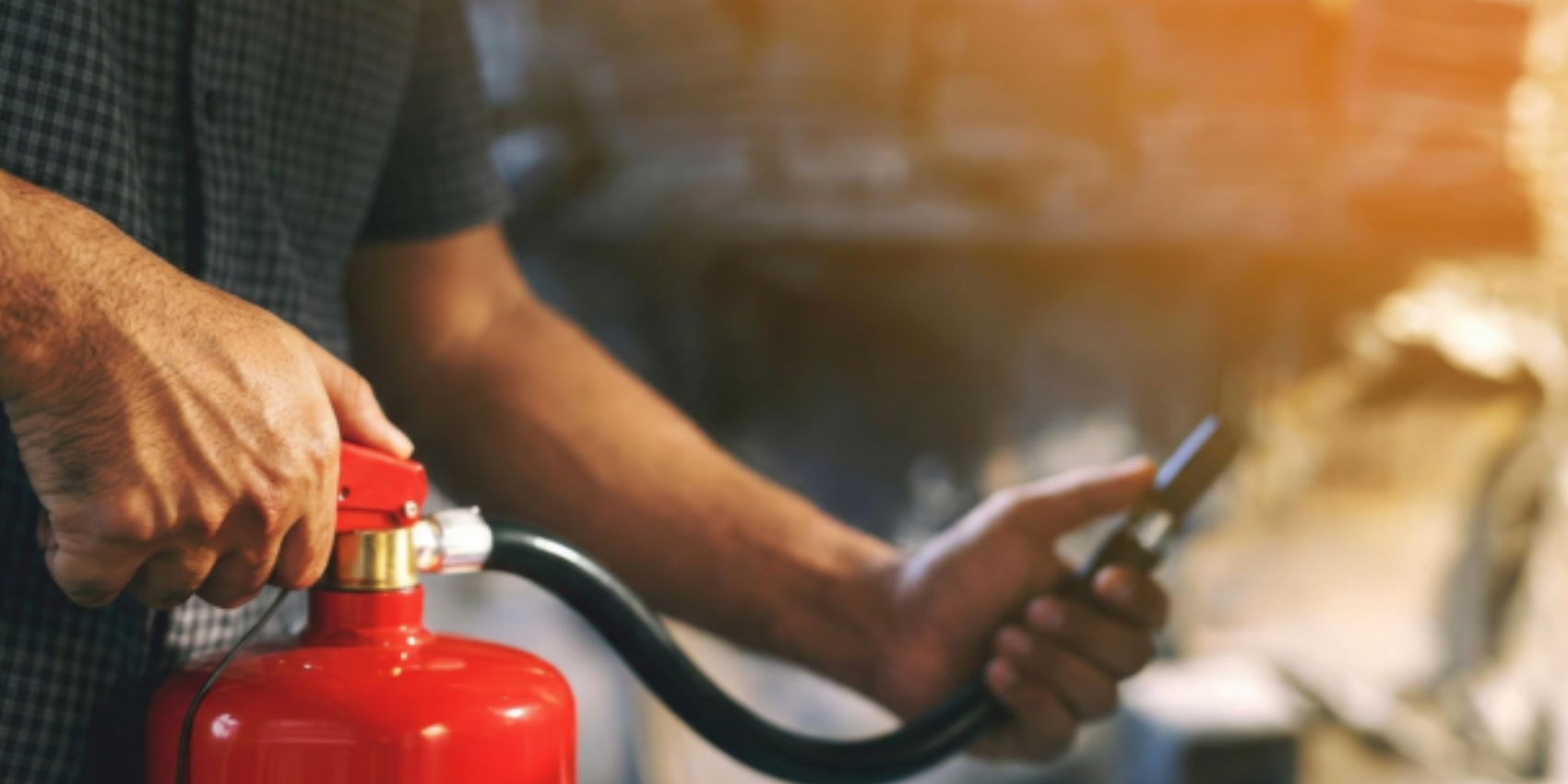
Fire Hazards Around Your Home You’re Probably Overlooking This Summer
When you think about summer fire hazards, your mind probably goes straight to a grill, a fire pit or maybe a citronella candle left burning. But many of the biggest fire risks homeowners face during the summer are far less obvious. Here are some of the most commonly overlooked risks, and how to keep your home and family safe.
When Your Air Conditioner Is Working Overtime
During heat waves, air conditioners often run almost nonstop. That extra workload puts stress on both the unit and your home’s electrical system.
Clogged air filters restrict airflow, forcing the system to work harder and generate more heat. Outdoor condenser units can also become clogged with grass clippings, leaves and other debris, reducing efficiency and increasing strain on electrical components. Meanwhile, older wiring, overloaded circuits or damaged electrical connections can create additional fire risks.
Protect your home by:
- Replacing air filters regularly.
- Removing leaves, mulch and other combustible debris from around the unit, keeping at least two feet of clearance around the outdoor condenser.
- Having your system inspected if it frequently trips breakers, makes unusual noises or struggles to keep your home cool.
Extension Cords Aren’t Built for Heavy-Duty Appliances
Summer often means plugging in window air conditioners, large fans, outdoor speakers and other high-powered equipment. Unfortunately, many homeowners rely on extension cords or overloaded power strips that simply aren’t designed for that kind of demand.
Overheated cords can melt insulation, damage outlets and, in some cases, start fires. Warning signs include warm outlets, flickering lights, tripped breakers or cords that feel hot to the touch.
Protect your home by:
- Plugging high-wattage appliances directly into wall outlets whenever possible.
- Using only heavy-duty extension cords rated for the appliance if one is absolutely necessary.
- Avoiding “daisy-chaining” multiple extension cords or power strips together.
- Replacing damaged or frayed cords immediately.
Lithium-Ion Batteries Need Extra Care
From e-bikes and scooters to cordless power tools, lawn equipment and laptops, lithium-ion batteries have become part of everyday life. They also deserve extra respect.
If damaged, overheated or charged improperly, these batteries can fail without warning, producing intense fires that spread quickly and are difficult to extinguish. Charging batteries inside confined spaces, near combustible materials or in direct sunlight increases the risk.
Protect your home by:
- Using only the manufacturer’s charger.
- Charging batteries in a cool, dry, well-ventilated location.
- Keeping batteries away from combustible materials.
- Inspecting batteries regularly for swelling, cracks or other damage and practicing safe disposal.
- Never leaving batteries inside hot vehicles or in direct sunlight for extended periods.
Your Landscaping Can Fuel a Fire
Your landscaping can become surprisingly flammable during long stretches of hot, dry weather. Dead leaves, dry grass, pine needles and even decorative mulch can provide fuel if a fire starts nearby. Trees and shrubs that touch your home or hang over the roof can also help flames spread more quickly.
If you live in an area prone to wildfires, maintaining defensible space around your home is especially important, but these steps benefit every homeowner.
Protect your home by:
- Removing dead vegetation, leaves and brush regularly, including cleaning beneath decks and porches.
- Keeping gutters free of dry debris.
- Trimming trees and shrubs to keep them away from your home.
- Considering gravel or decorative stone instead of mulch immediately next to your home’s foundation.
Yard Work Can Spark More Than You Realize
Many homeowners don’t realize that everyday yard equipment can accidentally start a fire.
Lawn mower blades, chainsaws, weed trimmers and metal cutting tools can all produce sparks if they strike rocks or metal. During periods of extreme heat and drought, one spark landing in dry grass may be enough to ignite a fire.
Protect your home by:
- Avoiding spark-producing yard work during extremely hot, dry or windy weather.
- Clearing dry grass before using power equipment.
- Keeping a hose or fire extinguisher nearby when working outdoors.
- Stopping work immediately if you notice smoke or smoldering vegetation.
Oily Rags Can Catch Fire All by Themselves
This may be one of the least-known fire hazards around the home. Rags used to apply deck stain, linseed oil, teak oil and certain wood finishes can generate heat as the oils dry. If they’re crumpled into a pile or tossed into a trash can, that heat can build until the rags ignite without any outside spark.
Protect your home by:
- Laying oily rags flat outdoors to dry completely before disposal.
- Or storing them temporarily in a sealed metal container with a tight-fitting lid.
- Never tossing oil-soaked rags into a pile in the garage or trash.
Store Gasoline Safely
Gasoline is something many homeowners keep on hand for lawn mowers, generators and other outdoor equipment. During hot weather, gasoline vapors expand, making proper storage even more important. Improperly stored fuel can ignite if exposed to a spark or other ignition source.
Protect your home by:
- Storing gasoline only in approved fuel containers.
- Keeping containers in a cool, well-ventilated area away from living spaces.
- Never storing gasoline near water heaters, furnaces or other ignition sources.
- Allowing lawn equipment to cool before refueling.
Grills and Fire Pits Need More Space Than You Think
Backyard cookouts are a summertime tradition, but grills and fire pits are responsible for thousands of fires each year. One of the biggest mistakes homeowners make is placing grills too close to the house, deck railings, fences or overhanging tree branches. Grease buildup inside the grill can also ignite unexpectedly, while flying embers from a fire pit can land several feet away.
Protect your home by:
- Keeping grills and fire pits at least 10 feet from your home and other structures.
- Cleaning grease from drip trays and burners regularly.
- Checking propane connections for leaks before grilling.
- Keeping a fire extinguisher nearby.
- Using a spark screen on wood-burning fire pits.
- Never leaving a grill or fire pit unattended while in use.
A Few Minutes of Prevention Can Make All the Difference
Most home fires don’t start with dramatic explosions or obvious mistakes. More often, they begin with everyday situations – a clogged air filter, an overloaded extension cord, a battery charging in the wrong place or dry landscaping waiting for a spark. Taking a few simple precautions this summer can dramatically reduce your risk and help protect your home, your family and your peace of mind. .
Related Articles
Ready to get a quote?
Get a quote online or speak with a trusted representative by calling 1.866.680.5143.
Get a quote online or speak with a trusted representative by calling 1.866.680.5143.