
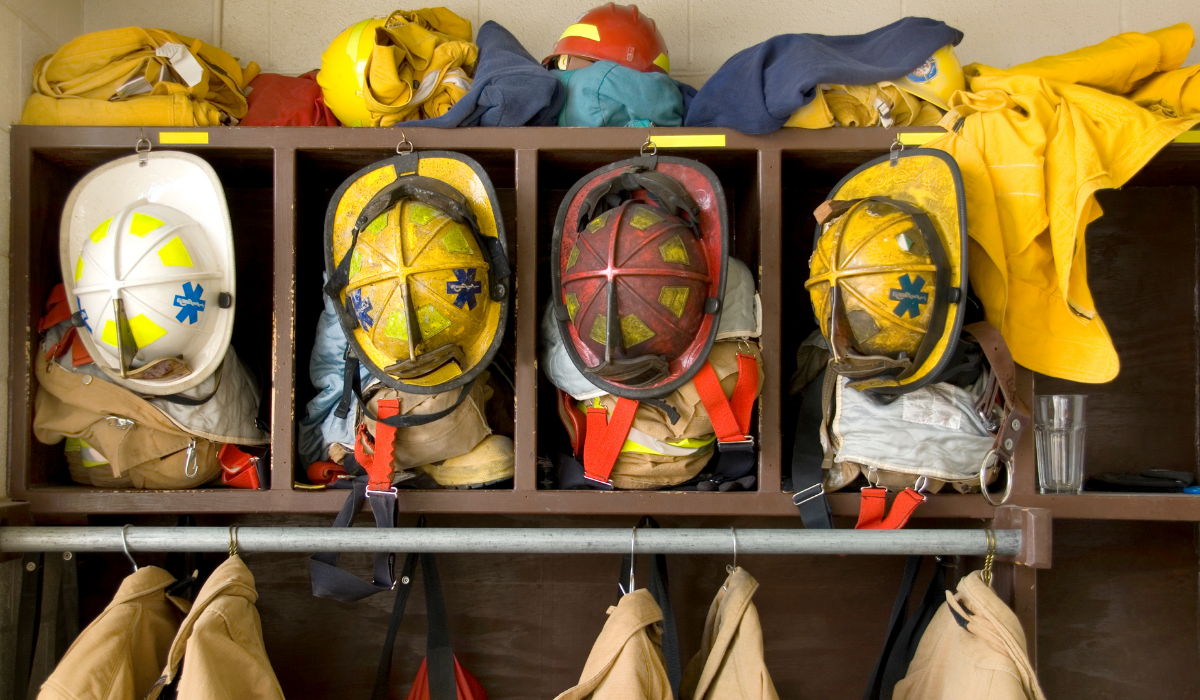
Spring Cleaning at the Fire House
Spring brings more than just warmer weather. It signals a fresh start at the firehouse. Doors roll open, sunlight pours in, and it’s time to tackle the deep clean that keeps everything running smoothly. From scrubbing down engines to reorganizing gear and clearing out what’s no longer needed, spring cleaning at the firehouse isn’t just about appearances; it’s about readiness, pride, and making sure every inch of the station is prepared for whatever call comes next.
Start with a Plan
Before the first mop hits the floor, set your crew up for success with a clear schedule and game plan. Assign specific areas to individuals or teams and post the list where everyone can see it. As tasks are completed, check them off to keep momentum going and ensure accountability.
- Make sure your crew is equipped with proper cleaning gear, including durable gloves, protective goggles, and professional-grade cleaning products. Safety matters just as much during cleanup as it does on a call.
- To avoid missing anything, use a consistent cleaning method in every space. Work from top to bottom and left to right. This systematic approach ensures that dust and debris don’t get redistributed onto freshly cleaned surfaces.
- And don’t underestimate the power of teamwork. When the entire crew pitches in, the job gets done faster, and morale gets a boost along the way. Turn up the music, set a timer, or create a friendly competition with a reward for the cleanest space. A little fun goes a long way.
Room-by-Room Checklist
Breaking the station into zones helps ensure nothing slips through the cracks. Here’s a practical checklist to guide the process:
Foyer and Stairs
- Sweep, mop, and sanitize high-traffic entry points.
- Clean stairs thoroughly, including behind and underneath.
- Disinfect door handles, railings, and light switches (high-touch zones).
- Clean glass doors and interior windows for better visibility and light.
- Shake out or replace entry mats.
Bunk Room
- Vacuum under beds and behind furniture.
- Wipe down bed frames, lockers, and charging stations.
- Clean vents and ceiling fans to improve air quality.
- Deodorize mattresses and soft surfaces.
- Flip and rotate mattresses to extend their lifespan.
- Wash all bedding.
- Disinfect surfaces and consider steam cleaning for a fresh start.
Dayrooms and Offices
- Sanitize remote controls, phones, keyboards, and shared electronics.
- Dust vents, baseboards, and behind TVs or mounted equipment.
- Clean inside appliances (microwave, fridge, coffee maker).
- Wipe down walls, especially around light switches and chairs.
- Clean and organize desks, filing cabinets, and shelves.
- Discard or donate items that are no longer needed.
- Encourage crew members to declutter personal lockers.
Apparatus Bay
- Inspect hoses for wear while cleaning and ensure proper reloading.
- Check and wipe down tools (axes, halligans, nozzles) for readiness.
- Clean and test emergency lighting.
- Organize cords, chargers, and battery packs.
- Empty and sanitize trash and hazardous waste containers.
- Sweep high areas (rafters, beams) where dust collects.
- Clean floors and walls thoroughly.
- Degrease engine bays to remove buildup.
- Remove and clean equipment stored in apparatus compartments.
- Wash turnout gear, face pieces, and storage bags.
- Organize supply closets and turnout gear rooms.
Kitchen
- Deep clean refrigerator and discard expired food.
- Sanitize countertops, cabinet handles, and sinks.
- Run a cleaning cycle on dishwasher.
- Mop behind and under appliances.
- Clean the stove and oven.
Bathrooms
- Disinfect all fixtures, including less obvious spots like behind toilets.
- Refill soap and paper products.
- Clean grout and tile to prevent buildup.
- Replace shower liners if needed.
Gear Storage / Lockers
- Empty lockers completely for a full wipe-down.
- Check for expired or damaged personal gear.
- Reorganize for quicker access during calls.
Exterior
- Pressure wash siding, walkways, and driveways to remove winter grime.
- Inspect for needed touch-ups or repainting.
- Clear gutters and check drainage around the building.
- Inspect outdoor lighting and replace bulbs if needed.
- Clean bay doors (inside and out) .
- Check signage for visibility and wear.
- Tidy up landscaping.
Seasonal Transitions
Spring is also the perfect time to shift from winter readiness to warmer-weather operations. These small but important tasks help ensure the station remains safe, functional, and ready for anything.
- Replace HVAC air filters.
- Replace batteries in smoke and carbon monoxide detectors.
- Clean and store winter tools like snowblowers.
- Check fire extinguishers to ensure they are not expired.
- Clean gas grills and refill propane tanks.
Restock and Reset
As cleaning wraps up, take inventory of your supplies. Restock cleaning products, paper goods, and any other essentials so you’re fully prepared for the months ahead. There’s nothing worse than running out of what you need mid-task or mid-shift.
A Fresh Start for the Season Ahead
Spring cleaning at the firehouse is more than a seasonal chore. It’s an investment in the safety, efficiency, and pride of the entire crew. A clean station supports clear thinking, quick action, and a sense of ownership that carries into every call. By approaching the process with a plan, working together, and paying attention to both the big and small details, your firehouse will be ready to meet the demands of the season ahead – looking sharp, running smoothly, and standing ready when it matters most.
Related Articles
Ready to get a quote?
Get a quote online or speak with a trusted representative by calling 1.866.680.5143.
Get a quote online or speak with a trusted representative by calling 1.866.680.5143.