
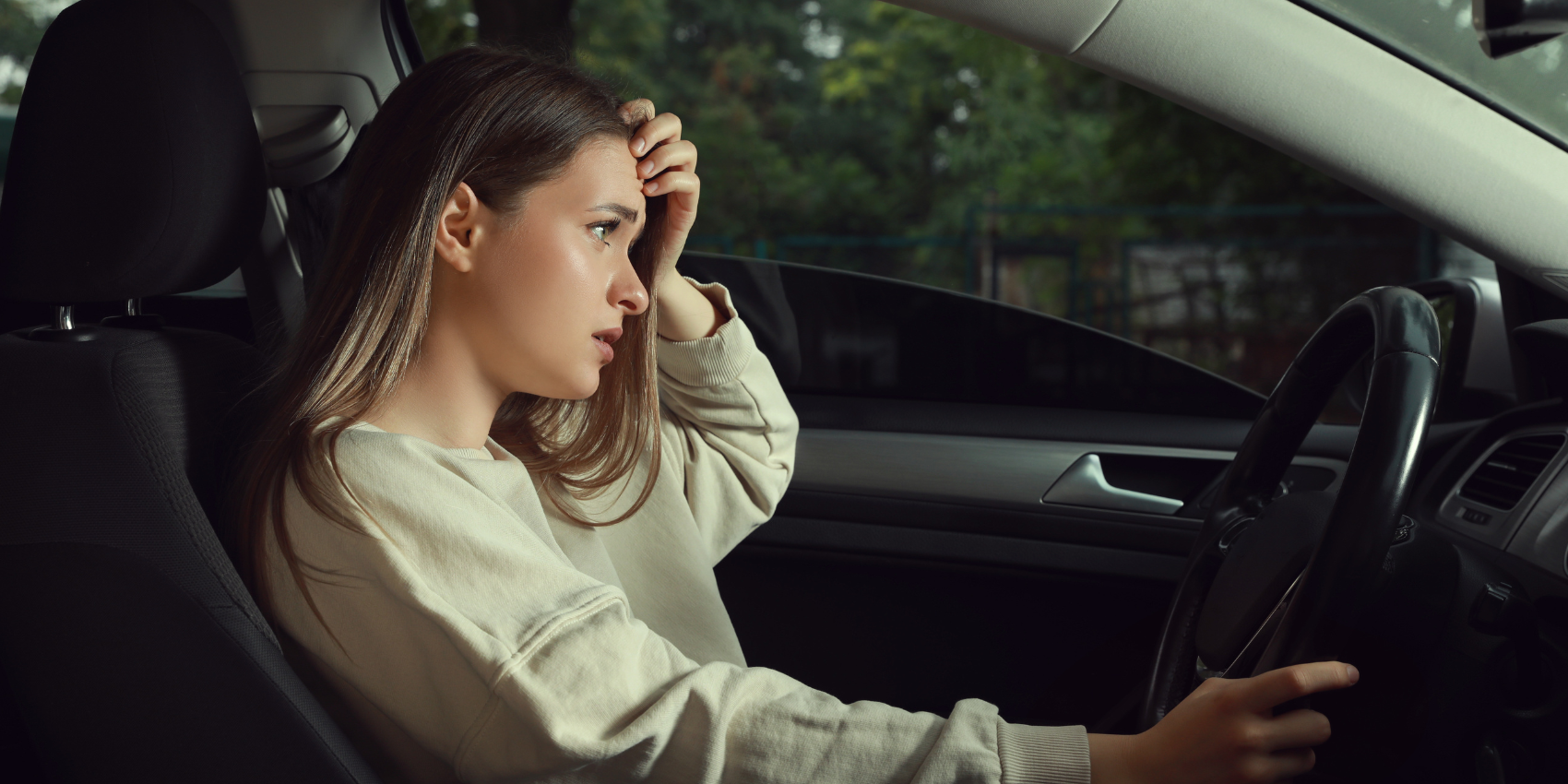
Teen Drivers and the After-School Rush
The final bell rings, but for many teens, the day is far from over. There’s soccer practice at 3:30 p.m., a shift at the local restaurant at 5 p.m., and a friend asking, “Can you drop me off on the way? Now add a crowded school parking lot, rush-hour traffic, a buzzing phone and a driver who may be hungry, tired or worried about being late.
It’s all part of the after-school rush. And for an inexperienced driver, it can mean handling a lot of challenges at once.
Teen drivers already face a greater risk on the road. According to the Centers for Disease Control and Prevention, drivers ages 16 to 19 have a fatal crash rate per mile almost three times as high as drivers ages 20 and older. The risk is especially high during the first months after getting a license.
Parents can help teens prepare for the particular challenges that come with driving before and after school.
Navigating the School Parking Lot
The school parking lot may be one of the most complicated places a new driver regularly encounters. Cars are pulling in and out. Buses are maneuvering. Parents are stopping to pick up students. Pedestrians may appear between parked cars. And at the end of the day, everyone seems to be leaving at once. This heightens the risk for a parking lot accident.
Encourage teens to slow down and continually scan for pedestrians, bicycles and other vehicles. They should also become familiar with the school’s designated entrances, exits, pickup areas and traffic patterns in order to practice back-to-school traffic safety.
If possible, consider whether waiting a few extra minutes to leave school or using an alternate exit can avoid the worst of the congestion. A little patience may make the trip considerably less stressful.
“Sure, Hop In”
Giving a friend a ride home may seem harmless, but passengers can change the dynamics inside a car. Research shows that the crash risk for an unsupervised teen driver increases when teen or young-adult passengers are present, and rises with each additional passenger. That’s one reason states have graduated driver licensing laws that may restrict who newly licensed teens can have in their vehicles.
Before your teen starts driving friends, make sure you both understand your state’s passenger restrictions. Establish your own family rules as well. Every person in the vehicle should have his or her own seat and seat belt. And remind your teen that being the driver means being in charge. If friends are being loud, distracting or encouraging risky behavior, the driver has the right to speak up. It’s also okay to say, “Sorry, I can’t give you a ride.”
Don’t Race the Clock
Practice starts in 20 minutes. Work starts at 4 p.m. Traffic is backed up. Suddenly, there’s a temptation to drive a little faster, follow a little closer or make an aggressive turn to save time. Help your teen understand one important rule: Being late is better than driving dangerously to get there on time.
Whenever possible, build extra time into the schedule. Leaving even 10 or 15 minutes earlier may reduce the pressure to speed or make risky decisions. Parents can reinforce the message by letting teens know they won’t be punished for arriving a few minutes late because of traffic. If a coach, boss or parent needs to know, pull over somewhere safe before calling or texting.
Put the Phone Away Before You Pull Away
A phone can be especially tempting during the after-school hours. Friends are making plans. A coach is sending updates. A parent wants to know where you are. An employer may be asking when you’ll arrive. All of this can contribute to distracted driving. The safest solution is to take care of the phone before the car moves.
Set the GPS. Choose the playlist. Turn on Do Not Disturb or Driving Focus. Then put the phone somewhere it won’t be tempting to reach for it. When friends are along for the ride, put them to work. A passenger can handle navigation, change the music or respond to a message while the driver concentrates on driving.
Parents: Consider a teen driver monitoring app to help your teen stay safe.
Tired Teens Behind the Wheel
For many teenagers, the day starts early and ends late. School may be followed by sports practice, clubs, homework and a part-time job. Sleep can get squeezed out of an already packed schedule. That matters behind the wheel. Drowsiness can affect alertness, attention, reaction time, judgment and decision-making. Young drivers are among those at higher risk for drowsy-driving crashes.
Talk to teens about recognizing when they’re too tired to drive safely. Being hungry can add another distraction to a long afternoon, so keeping water and a simple snack available may also help. And remember that fatigue isn’t only an after-school concern. Early school start times can put a tired teen behind the wheel first thing in the morning.
Practice the Drives They Actually Make
Learning to drive shouldn’t end when a teen passes the road test. Practice the routes your teen will regularly travel: the drive to school during morning traffic, the route from school to practice, the trip to work and the drive home after an evening activity. Give them experience navigating busy intersections, school zones, parking lots and rush-hour traffic while an experienced driver is still there to coach them. The goal isn’t simply learning how to operate the car. It’s learning how to make good decisions when driving gets complicated.
Before You Go: A Teen Driver Checklist
Before putting the car in drive, encourage your teen to make these quick checks:
- Everyone has a seat and seat belt.
- Tires appear properly inflated and lights are working.
- Mirrors are adjusted and windows are clear.
- GPS is programmed and music is selected.
- Phone is on Do Not Disturb/Driving Focus and put away.
- License, registration and proof of insurance are in the vehicle.
- The driver knows the route and has allowed enough time to get there.
- The driver is rested, alert and ready to drive.
- Any passengers comply with state licensing restrictions and family rules.
Keep the Conversation Going
Handing over the car keys is a big milestone – for teens and parents. But getting a license doesn’t mean a teen has encountered every driving situation. Talk regularly about the situations they are actually facing. Who are you driving home today? What time does practice end? Do you know where you’re parking? What happens if you’re running late? What will you do if your friends become distracting? Those everyday conversations can help teens develop something that only comes with time and experience: good judgment behind the wheel.
Related Articles
Ready to get a quote?
Get a quote online or speak with a trusted representative by calling 1.866.680.5143.
Get a quote online or speak with a trusted representative by calling 1.866.680.5143.