
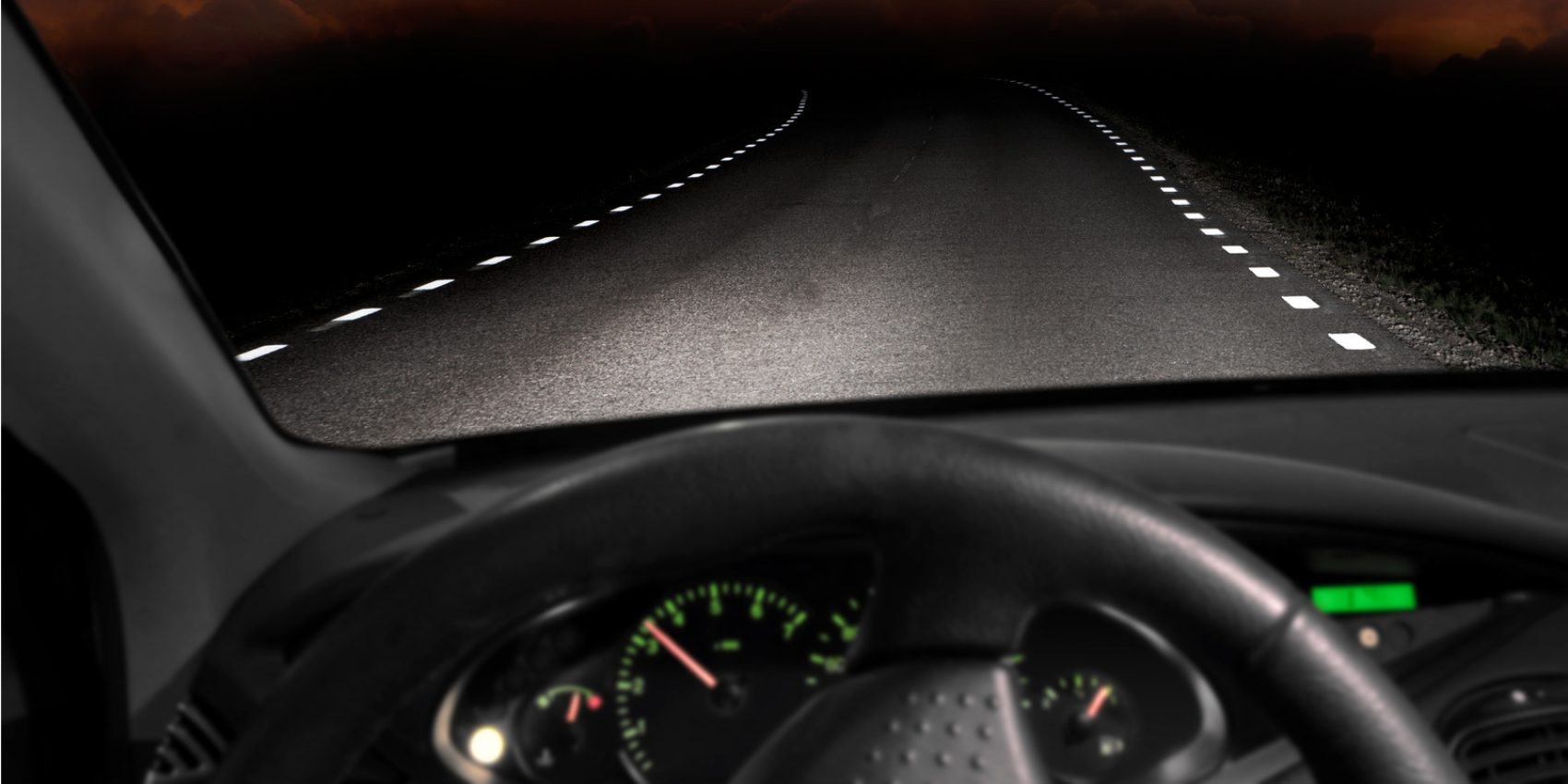
The Drive Home Hits Different in the Fall
There’s something about driving home in the dark that makes a long day feel even longer. One minute, you’re enjoying the last few hours of daylight after work. The next, you’re navigating dark roads, glaring headlights and the rush to get home for dinner, homework or evening activities.
Fall brings more than cooler temperatures and changing leaves. It changes the rhythm of our days, and with a little preparation, those darker commutes can be safer, less stressful and maybe even a little more enjoyable.
A Little Glare Goes a Long Way
You’re heading home on your usual route when the setting sun suddenly hits your windshield at just the wrong angle. You squint, adjust your visor and struggle to see the brake lights ahead. Because the sun sits lower in the sky during fall, glare can be especially intense during morning and evening commutes, especially for those leaving for shifts at sunrise and sunset. A few simple adjustments can help:
- Keep your windshield clean. Dirt, streaks and smudges, inside and out, can make glare worse.
- Use your sun visor and sunglasses. Polarized sunglasses can help reduce reflected glare, although they may affect visibility through some vehicle displays.
- Rethink your route. When possible, avoid driving directly east at sunrise or west at sunset.
- Give yourself room. Slow down and increase your following distance when glare limits visibility.
When the Road Disappears
You leave home on a cool morning, coffee in hand, only to encounter a thick blanket of fog a few miles down the road. Suddenly, familiar landmarks and the cars ahead are barely visible. Fall’s cooler mornings can bring dense fog that dramatically reduces visibility. The biggest mistake? Driving faster than the distance you can clearly see ahead.
Your foggy morning game plan:
- Use low-beam headlights or fog lights, never high beams, which reflect off moisture in the air and make visibility worse.
- Turn on your windshield wipers and defroster to keep the glass clear.
- Reduce your speed and leave extra space between vehicles.
- If visibility becomes dangerously limited, pull completely off the road to a safe location and wait for conditions to improve.
Those Beautiful Leaves Have a Downside
A tree-lined road covered in colorful fall leaves makes for a picture-perfect drive. But after an overnight rain, those same leaves can turn a familiar curve into a slippery surprise. Wet leaves can significantly reduce traction, making it harder to brake and steer. Add falling temperatures, which can affect tire grip, and it’s a good reason to take things a little slower.
Three habits worth keeping: Ease off the accelerator on leaf-covered roads, especially around curves and hills. Brake gently and earlier than usual. And give the vehicle ahead of you more room than you normally would.
Keep an Eye on the Shoulders
It’s dusk, you’re almost home and a deer suddenly appears at the edge of the road. You hit the brakes, only to notice another deer following close behind. Fall is peak mating season for deer, making them particularly active around dawn and dusk. And where there’s one deer, there may be more.
As you travel, scan the shoulders and wooded areas along the road, particularly in rural neighborhoods. Reduce your speed in areas with deer crossing signs and stay especially alert during early morning and evening hours. If an animal darts into your path, brake firmly while maintaining control of your vehicle. Don’t swerve into another lane or off the road, where you could cause a more serious collision. See our related blog on What to Do if You Hit an Animal While Driving.
Little Feet, Big Visibility Challenges
The school day may be over, but neighborhood streets are still busy. Kids are riding bikes, families are walking dogs and someone is squeezing in a quick evening jog before dinner. The difference? It’s getting harder to see everyone.
Earlier sunsets mean more pedestrians and cyclists are out in low-light conditions, sometimes before drivers expect them. If you’re behind the wheel, slow down in neighborhoods. Watch carefully at intersections and driveways, and give pedestrians and cyclists plenty of room.
If you’re heading out on foot or bike: Wear bright clothing and reflective gear. Add lights to bicycles, scooters and even dog collars or leashes. Use sidewalks whenever available, and cross at designated crossings. A little extra visibility can make a big difference.
The Long Day Gets Longer
A nurse finishes a 12-hour shift. A teacher wraps up evening parent conferences. A firefighter heads home after a demanding call. Different jobs, same feeling: It’s been a long day, and the drive home is the last thing standing between you and some much-needed rest.
Earlier darkness can make an already tiring commute feel even more exhausting. And drowsy driving isn’t something you can simply push through with the radio turned up or a window rolled down.
Make the ride home a little easier:
- Recharge before you leave. Take a brief walk or stretch before getting into the car. It can help you transition from work mode to the drive home, but it won’t replace sleep.
- Create a commute playlist. Your favorite music or an engaging podcast can make the trip more enjoyable without distracting you from the road.
- Recognize the warning signs. Frequent yawning, heavy eyelids, drifting between lanes or not remembering the last few miles are signs that you’re too tired to drive safely.
- Have a backup plan. If you’re exhausted, consider a 15- to 30-minute nap in a safe location before driving. Carpooling, public transportation or a rideshare service may also be good options.
Before Winter Comes Knocking
While you’re adjusting to fall’s changing driving conditions, it’s also a good time to give your vehicle a little attention. Check your tire pressure and tread, replace worn windshield wipers, top off washer fluid and make sure your headlights and taillights are working properly. Keep a flashlight, phone charger, warm blanket and basic emergency supplies in your vehicle.
And because your car plays such an important role in getting you to work, bringing your family together and keeping daily life moving, take a few minutes to review your auto insurance coverage. Check your roadside assistance benefits, comprehensive and collision deductibles, and liability limits before winter weather arrives.
Make the Most of the Miles
Fall may change the way your drive home looks and feels, but it doesn’t have to make it more stressful. A little preparation, a few extra minutes and some simple adjustments to your daily routine can help you navigate the season with greater confidence. After all, the best part of the drive home is getting there safely.
Related Articles
Ready to get a quote?
Get a quote online or speak with a trusted representative by calling 1.866.680.5143.
Get a quote online or speak with a trusted representative by calling 1.866.680.5143.