
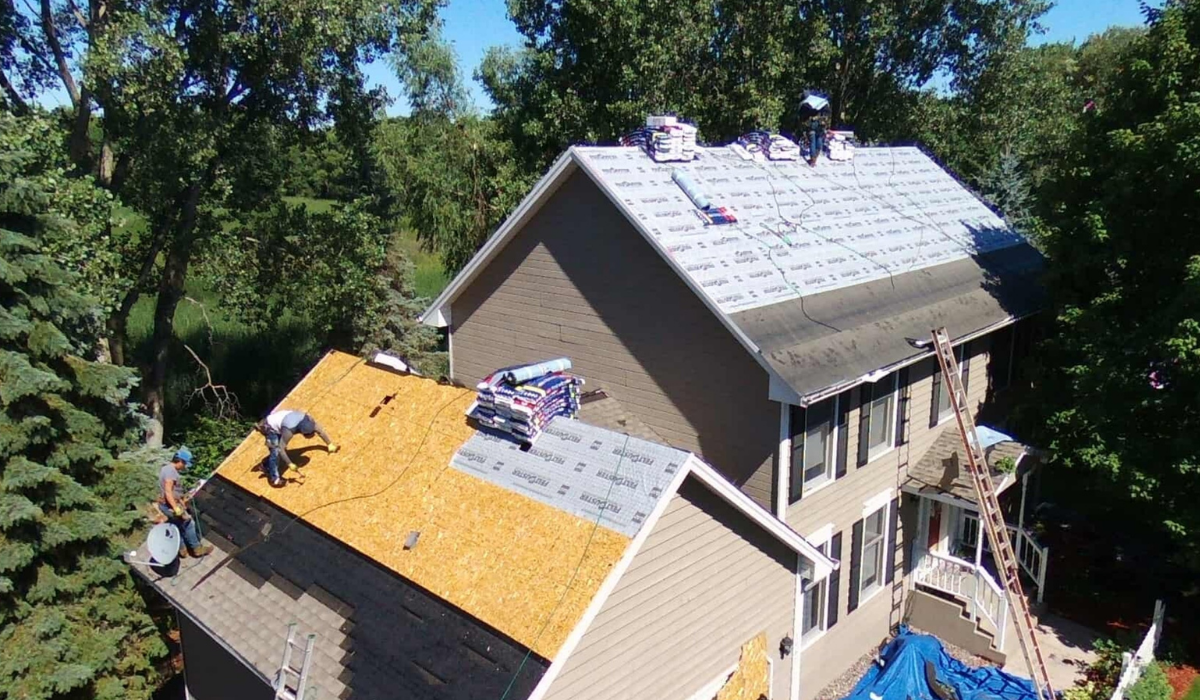
Things to Consider When Replacing a Roof
Your roof does more than just keep the rain off. It protects your home, regulates temperature, and even helps your energy bills. But like any hardworking system, it won’t last forever. When it’s time to replace it, there’s more to consider than just shingle color.
Understanding Your Roofing Options
Not all roofs are created equal, and the material you choose will impact everything from lifespan to maintenance needs to overall cost. Choosing the right material isn’t just about budget. It’s about matching your home’s structure, your climate, and how long you plan to stay in your home.
| Roofing Material | Approx. Lifespan | Key Benefits | Considerations |
| Asphalt Shingles | 15–30 years | Affordable, widely available, easy to install | Shorter lifespan; affected by climate and upkeep |
| Architectural Shingles | 25–40 years | Thicker, more durable asphalt with enhanced appearance | Higher cost than basic asphalt |
| Clay/Concrete Tiles | 50–100+ years | Extremely durable, distinctive aesthetic | Heavy; may require additional structural support |
| Metal Roofing | 40–70+ years | Long-lasting, energy-efficient, reflects heat | Higher upfront cost |
| Wood Shakes | 40–50 years | Natural, rustic look | Requires more maintenance; fire code restrictions |
| Slate Roofing | 60–150+ years | Premium, very long lifespan, elegant appearance | Expensive; requires specialized installation |
The Roof Is a System – Not Just Shingles
One of the biggest misconceptions is that a roof is simply the outer layer. It’s actually a complete system of components working together to protect your home.
- Roof deck: Typically made of plywood or OSB (oriented strand board), this is the foundation everything sits on.
- Ice and water shield: This is a protective membrane along vulnerable areas like edges and valleys to prevent leaks from ice dams.
- Underlayment: This water-resistant barrier adds a second layer of defense beneath the shingles.
- Starter shingles: These are installed along the edges, creating a secure base.
- Shingles: This visible outer layer is installed in a staggered pattern to shed water.
- Flashing: These metal strips seal joints and prevent water intrusion around chimneys, vents, and skylights.
- Ridge vent and roof vents: These allow heat and moisture to escape from the attic, helping regulate temperature and prevent damage.
- Ridge caps: Thesecover and protect the roof’s peak.
When replacing a roof, it’s critical that all these elements are inspected and addressed, not just the shingles. Skipping components to save money upfront can lead to costly repairs later.
Signs It’s Time for a New Roof
Sometimes the need for a new roof is obvious, but often, the warning signs are subtle. If you’re noticing several of these issues, it’s time to call in a professional for an inspection:
- Missing, curling, or buckling shingles
- A sagging or uneven roof line
- Moss, mold, or algae growth
- Damaged or deteriorating flashing
- Granules from shingles collecting in gutters
- Daylight visible through roof boards in the attic
- Leaks, water stains, or interior damage
Repair or Replace?
A common question homeowners face: should you repair or fully replace your roof? A good rule of thumb is the “30% rule.” If repairs will cost more than 30% of a full replacement, it usually makes more financial sense to replace the roof altogether. Age also matters; if your roof is near the end of its expected lifespan, investing in repairs may only delay the inevitable.
Your future plans play a role, too. If you’re planning to sell your home soon, a minor repair might suffice. However, a new roof can boost curb appeal and may increase your home’s resale value, making it an attractive selling point.
What Homeowner’s Insurance Covers
Roof replacement can be a significant investment, so it’s important to understand what your homeowner’s insurance will and won’t cover. Most policies do not cover damage caused by normal wear and tear, aging, or lack of maintenance. However, your policy may cover damage from sudden, accidental events such as:
- Windstorms
- Hail
- Fallen trees
Keep in mind:
- You’ll be responsible for your deductible, which is the portion you pay out of pocket.
- Your reimbursement may be based on actual cash value (depreciated value) or replacement cost, depending on your policy.
Understanding your coverage before you need it can help you avoid surprises during the claims process.
What to Expect During the Replacement Process
Knowing what happens during a roof replacement can make the experience far less stressful. A typical residential roof replacement can take anywhere from one to several days, depending on size and complexity.
- Inspection and permits: A contractor will assess the roof and get the necessary permits for your location.
- Removal: Old shingles, underlayment, and flashing are removed or in some cases, an overlay may be applied.
- Installation: New materials are installed, along with any necessary structural or ventilation improvements.
- Add-ons: This is an ideal time to install or update gutters, skylights, or even solar panels.
- Cleanup: Debris is removed, and the site is cleared.
Choosing the Right Contractor
A reputable contractor will be transparent, communicative, and willing to answer your questions.
- Get quotes from at least three different contractors. Compare what’s included: materials, labor, disposal, and extras.
- Verify the contractor is licensed, insured, and bonded.
- Ask about warranties, both for materials and workmanship.
- Request references and check online reviews.
- Make sure all details are in writing before work begins.
Preparing Your Home
A little preparation can go a long way in protecting your property during the project.
- Move outdoor furniture, grills, and decorations away from the work area.
- Cover or protect landscaping and plants.
- Inside, remove fragile items from walls and shelves; roof work can cause vibrations.
Pro Tip: After the job is complete, ask your contractor to use a magnetic sweeper to collect stray nails and debris.
A Smart Investment in Your Home
Replacing your roof is a major project, but it’s also one of the most valuable investments you can make in your home. Beyond improving curb appeal, a new roof enhances energy efficiency, protects against costly damage, and provides peace of mind for years to come. By understanding your options, asking the right questions, and working with a qualified professional, you can ensure your new roof stands strong, no matter what the weather brings.
Related Articles
Ready to get a quote?
Get a quote online or speak with a trusted representative by calling 1.866.680.5143.
Get a quote online or speak with a trusted representative by calling 1.866.680.5143.