
Cozy, Comfortable and Covered: Simple Fixes for Fall
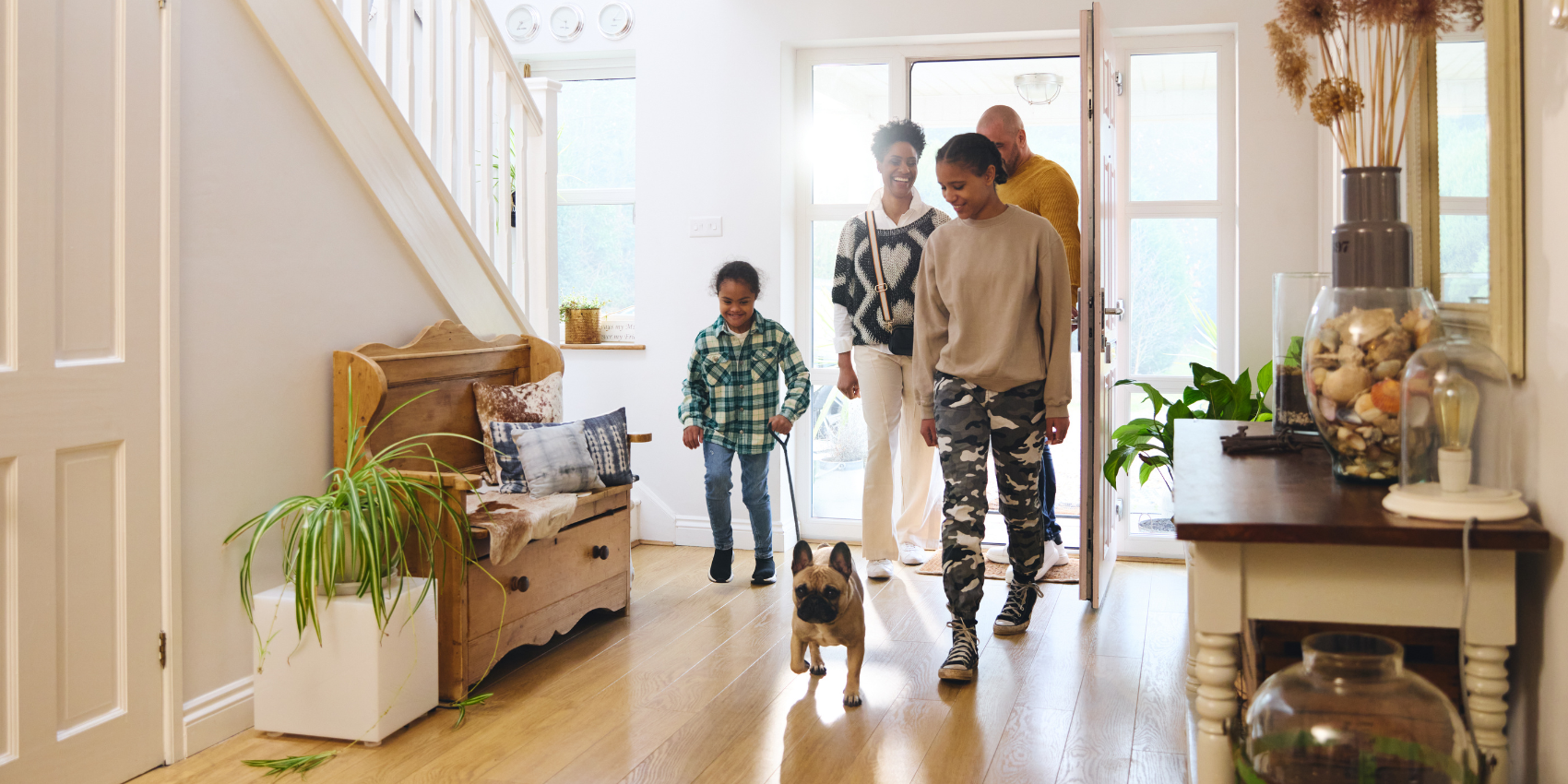
There’s something comforting about coming home on a crisp October evening. The porch is decorated for fall, the air has a chill, and the warm glow of a lamp or flickering candle makes the house feel especially inviting. But look a little closer, and you might notice that autumn has brought more than pumpkin spice and cozy sweaters. School bags and shoes are piling up by the door, chargers and extension cords seem to be everywhere, and the leaves outside are collecting faster than you can rake them.
As the days grow shorter and the holiday season approaches, it’s easy for the little things to add up, creating clutter, stress and even a few hidden safety hazards. The good news? You don’t need a major home makeover to restore a sense of calm. A few simple changes can make your home feel safer, warmer and more organized, just in time for the busiest months of the year.
Here are some practical ways to give your home a little extra attention this fall.
1. Clear the Clutter Before It Becomes a Hazard
Every home has those places where clutter seems to gather on its own. Maybe it’s the chair that doubles as a closet, the treadmill that has become a clothes rack or the entryway where shoes, backpacks and work bags compete for space.
Beyond being an eyesore, clutter can create tripping hazards, block exits and make everyday activities more difficult. And as the holidays approach, decorations, packages and gifts can add to the congestion.
Try these simple fixes:
- Keep walkways clear. Pay particular attention to entrances, stairways and hallways. For a law enforcement officer returning home late at night or a nurse leaving for an early shift, navigating a dark, cluttered entryway can be especially hazardous.
- Give everyday items a designated home. Install hooks for jackets and tote bags, add a shoe rack or use baskets to keep smaller items off the floor.
- Make closets work harder. Use shelves, bins and organizers to maximize storage space. Store seasonal decorations in labeled containers so you’re not digging through piles when it’s time to decorate.
- Rescue the furniture. If your favorite chair has disappeared beneath a mountain of clothes, find a better place for those items. The same goes for exercise equipment that has become an unofficial storage area.
- Keep exits accessible. Make sure doors and escape routes are never blocked by furniture, boxes or other belongings.
Don’t forget about the garage, especially if it doubles as a storage area for tools, sports equipment and seasonal decorations. When coming home after a long shift, you shouldn’t have to navigate a maze of boxes and equipment to get inside.
The goal isn’t a picture-perfect home. It’s a space where you can move freely, find what you need and feel comfortable.
2. Keep the Cozy Without the Fire Hazards
Fall practically invites us to curl up with a blanket, light a candle or enjoy a fire in the fireplace. These seasonal comforts are part of what makes home feel special, but they deserve a little extra caution.
Before you turn up the cozy factor, consider these tips:
- Choose candles carefully. Keep burning candles at least 12 inches from anything flammable, including curtains, decorations and furniture. Never leave them unattended, and keep them out of reach of children and pets. Battery-operated flameless candles offer a similar ambiance without an open flame.
- Use space heaters safely. Place portable heaters on a flat, stable surface at least three feet away from bedding, furniture, curtains and other combustible materials. Plug them directly into wall outlets, never into extension cords or power strips. Turn them off when leaving the room or going to sleep.
- Look for drafts. Examine doors and windows for gaps, cracked caulking or worn weatherstripping. Sealing small openings can improve comfort and help reduce heating costs.
- Give your fireplace some attention. Have your chimney and fireplace inspected and cleaned as needed by a qualified professional. Use a sturdy fireplace screen to prevent sparks from escaping, and burn only properly seasoned, dry wood. Never leave a fire unattended.
- Check smoke and carbon monoxide alarms. Test alarms regularly and replace batteries when needed. Make sure alarms are installed in appropriate locations throughout your home, including sleeping areas, and replace units according to manufacturer recommendations.
- Keep decorations away from heat. Dried leaves, decorative garlands, fabric pumpkins and other seasonal accents can be flammable. Keep them away from candles, fireplaces, heaters and other heat sources, and practice holiday fire safety.
3. Create a Safer Charging Zone
Think about how many devices need charging in your home. Phones, tablets, laptops, watches, power tools and rechargeable batteries all compete for outlets. Add holiday lights and decorations to the mix, and it’s easy to see how cords and chargers can take over. A little organization can reduce clutter and help prevent electrical hazards.
Here’s where to start:
- Establish designated charging areas. Choose convenient locations for phones, tablets and other frequently used devices. A charging station with enough properly rated outlets can help keep cords organized.
- Avoid overloaded outlets. Don’t connect multiple power strips or extension cords together. Follow the manufacturer’s electrical ratings, and remember that surge protection doesn’t make an overloaded circuit safe.
- Inspect cords regularly. Replace damaged, frayed or overheating cords and chargers. Never attempt to repair a damaged electrical cord with tape.
- Keep cords out of walkways. Route cords along walls or behind furniture when possible. Use appropriate cord-management products, but never run electrical cords under rugs or carpets.
- Charge batteries with care. Use chargers recommended by the manufacturer, and avoid charging rechargeable tools, e-bikes or other battery-powered equipment near combustible materials or exit routes. Dispose of batteries safely.
- Use outdoor-rated equipment outside. As you prepare for Halloween and the winter holidays, make sure extension cords and decorative lighting are approved for outdoor use when needed.
Pay particular attention to garages and workshops where power tools, rechargeable batteries and other equipment may be stored. Keep charging areas clear of paper, cardboard, gasoline and other flammable materials.
One more tip: Extension cords are designed for temporary use. If your household constantly needs extra outlets, consider having a licensed electrician evaluate your electrical needs.
4. Look for Hidden Hazards Hiding in Plain Sight
Sometimes the biggest risks are the ones we walk past every day without noticing. A loose rug, dim hallway or slippery bathroom floor may seem like a minor inconvenience until someone takes a fall. Shorter daylight hours can make these hazards even more concerning.
Take a few minutes to walk through your home with a fresh perspective. Look for these common trouble spots:
- Loose rugs and mats. Secure area rugs with nonslip backing or rug pads. Remove rugs that curl at the edges or slide underfoot.
- Poor lighting. Replace burned-out bulbs and consider motion-activated lights in hallways, stairways, garages and entryways. Outdoor lighting is particularly helpful for family members arriving home after dark.
- Unsteady handrails. Check that stair railings are secure and easy to grasp. Repair loose or damaged railings before they become a problem.
- Unstable furniture. Secure tall bookcases, dressers and other tip-prone furnishings to the wall, especially in homes with young children.
- Worn steps and uneven surfaces. Inspect stairs, walkways and porches for loose boards, cracked pavement or other tripping hazards.
You might be surprised how many small fixes you can accomplish in an afternoon. A brighter bulb, a nonslip mat or a properly secured handrail can make everyday life a little safer.
5. Give the Outside of Your Home Some Fall TLC
While you’re making the inside of your home more comfortable, don’t overlook what’s happening outside. Falling leaves, changing temperatures and seasonal storms can create problems that aren’t always obvious until damage occurs.
Add these tasks to your fall home checklist:
- Clear leaves from walkways and steps. Wet leaves can be surprisingly slippery, especially on stairs, decks and paved surfaces. Remove them regularly rather than waiting for a large buildup.
- Use caution when tackling yardwork. Wear appropriate eye and hearing protection when operating leaf blowers and other power equipment. Be careful when reaching into leaf piles, where insects or small animals may be hiding.
- Clean gutters and downspouts. Clogged gutters can cause water to overflow and potentially damage siding, foundations and other parts of your home. Make sure downspouts direct water away from the foundation. Hire a professional if the work requires unsafe ladder access.
- Check nearby trees. Look for damaged or overhanging branches that could threaten your roof, windows or power lines during a storm. Leave large branches and anything near electrical lines to qualified professionals.
- Inspect outdoor lighting. Make sure porch lights, garage lights and pathway fixtures are working properly before daylight saving time ends.
- Prepare outdoor faucets. Disconnect garden hoses and winterize exterior faucets or irrigation systems as appropriate for your climate to help prevent freezing damage.
A little preventive maintenance now can help you avoid bigger headaches when winter arrives.
6. Protect the Improvements You’ve Made
Once you’ve made your home safer and more comfortable, take a few additional steps to protect what matters. Homeowners and renters insurance can provide important financial protection, but it’s worth making sure your coverage reflects your current circumstances.
A few smart habits can help:
- Document meaningful improvements. Take photos of significant upgrades, renovations or new features you’ve added to your home.
- Keep receipts for major purchases. Save records for appliances, electronics, furniture and other valuable belongings.
- Update your home inventory. Photos or videos of your possessions can be helpful if you ever need to file an insurance claim.
- Review your coverage. Talk with your insurance representative about whether adjustments are appropriate.
Make Your Home Your Favorite Place to Be
Your home should be a place where you can relax, recharge and feel at ease, whether you’re returning from a long shift, welcoming the kids home from school or settling in for a quiet evening. With just a few small improvements, you can create a safer, more comfortable home that’s ready for the season ahead. And that’s something you can feel good about every time you walk through the door.
Related Articles
Ready to get a quote?
Get a quote online or speak with a trusted representative by calling 1.866.680.5143.
Get a quote online or speak with a trusted representative by calling 1.866.680.5143.