
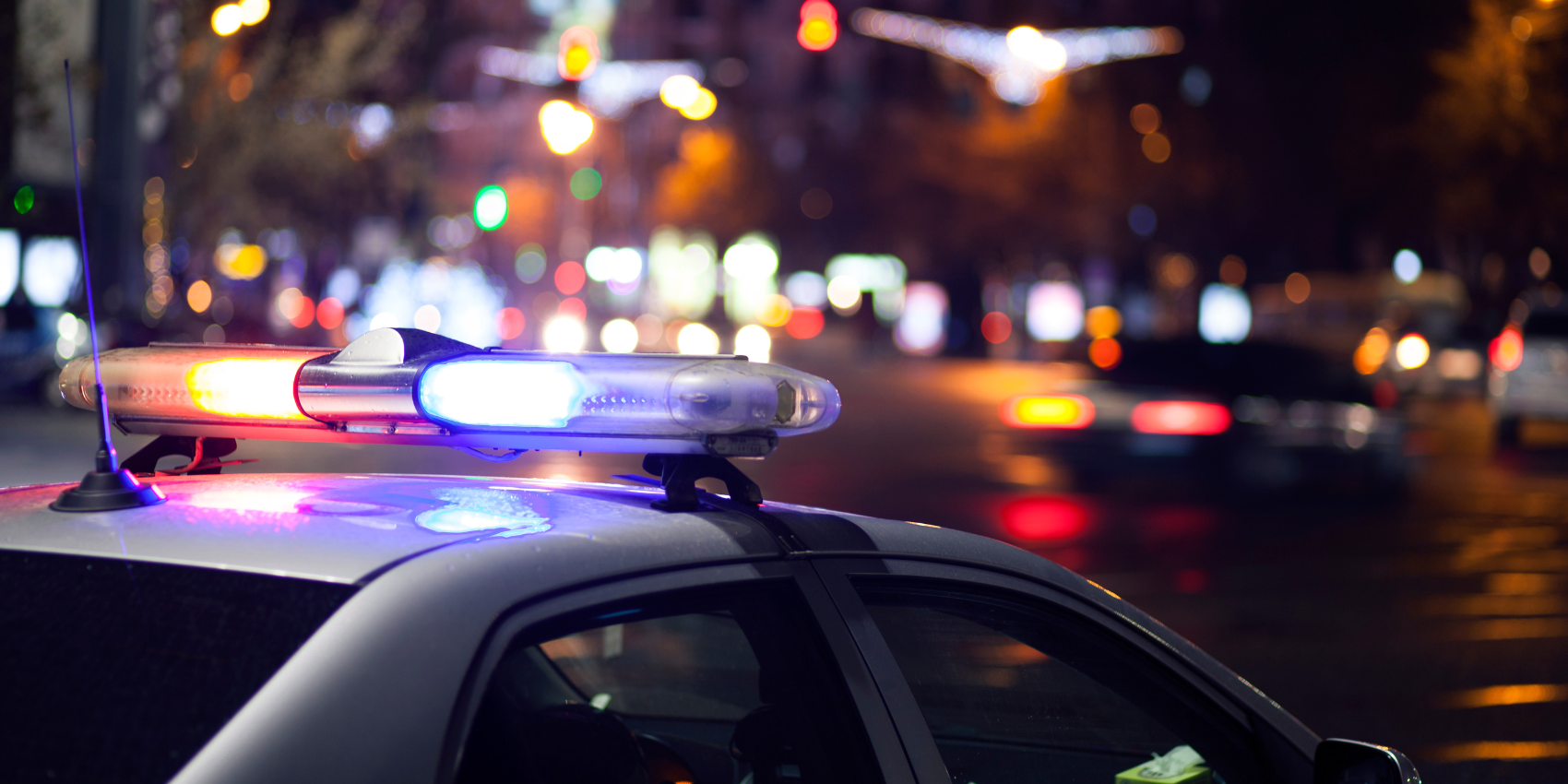
Night Shift Safety During Summer Events
Summer is event season. Festivals, fairs, concerts, sporting events and busy nightlife districts keep communities buzzing long after the sun goes down. For law enforcement officers, that often means some of the busiest – and most unpredictable – shifts of the year.
Unlike a routine patrol, summer event assignments bring large crowds, long hours on your feet, hot weather and situations that can escalate in seconds. Add fatigue and dehydration to the mix, and even experienced officers can find their awareness slipping.
The good news? A little preparation goes a long way. Here are some practical ways to stay safe, sharp and mission-focused throughout your shift.
Prepare the Scene Before the Crowds Arrive
A successful event starts long before the first visitor walks through the gate. During pre-event planning, identify emergency vehicle lanes and evacuation routes so first responders can move quickly if conditions change. Confirm that barricades and checkpoints are positioned to control vehicle access and pedestrian safety. A brief walkthrough before the event begins can help identify blind spots, bottlenecks or other potential hazards that may not have been obvious on paper.
Teamwork is a Tactical Advantage
Summer events are ideal environments for teamwork. Whenever possible, work in pairs. One officer can engage with the public while the other scans the surroundings, watches crowd behavior and looks for developing threats. That second set of eyes often notices what the first person misses.
If private security is working the event, remember that their training and experience can vary significantly. Introduce yourself early, establish communication procedures and encourage regular check-ins. Everyone should know how to quickly report suspicious activity or request assistance. Strong communication should also extend to event organizers, EMS and fire personnel. A coordinated incident command structure allows information to move quickly when every second counts.
Dress for the Conditions
Body armor, duty belts and summer heat can be a challenging combination. Help reduce heat buildup by wearing breathable, moisture-wicking base layers or ventilation vests. If department policy allows, lighter-colored summer uniforms can absorb less heat than darker fabrics. Avoid wearing more layers than your assignment requires, and don’t overlook protective equipment. Shatter-resistant eye protection and specialized protective gear can reduce injuries from flying debris, thrown objects or chemical irritants during crowd-control situations.
Hydration Is a Safety Issue
By the time you feel thirsty, you’re already behind. Begin hydrating several hours before your shift starts rather than trying to catch up once you’re working. During extended outdoor assignments, aim to drink about eight ounces of water or a sports drink every hour, adjusting for activity level and temperature. If you’re sweating heavily, alternate water with electrolyte replacement drinks.
Limit caffeine and energy drinks during hot-weather assignments. While they may provide a temporary boost, they can also contribute to dehydration. A quick hydration check is simple: pale yellow or nearly clear urine generally indicates adequate hydration, while darker urine suggests you need more fluids.
Don’t Underestimate the Heat
Heat doesn’t just make you uncomfortable; it affects how you think. High temperatures can slow reaction times, reduce attention to detail and impair decision-making. That’s why heat safety should be part of every pre-shift briefing. When practical, rotate assignments to allow officers periodic breaks in shaded areas or air-conditioned vehicles. Avoid standing for extended periods on asphalt or concrete, which continue radiating heat long after sunset.
Watch for early warning signs of heat illness, including:
- Dizziness
- Headache
- Fatigue
- Dark urine
- Nausea
- Confusion
Remember that the heat affects everyone around you, too. As temperatures rise, people often become more irritable, impatient and unpredictable. Minor disagreements can escalate faster than they otherwise might.
Fatigue Can Be Just as Dangerous
Many summer events run well into the early morning hours, making fatigue one of the biggest threats officers face. Whenever possible, get a solid block of uninterrupted daytime sleep before your shift and consider taking a short nap before reporting for duty.
Unlike many professions, law enforcement doesn’t allow much margin for error. If you notice yourself losing focus, reacting more slowly or zoning out, don’t simply push through it. Take that as a signal to hydrate, move around, check in with your partner or request a brief break if operationally feasible.
And don’t forget about the drive home. After a long overnight shift, drowsy driving can be every bit as dangerous as the incidents you handled during the event.
Stay Focused on Your Mission
Busy events generate constant requests for assistance from giving directions to helping locate lost items or answering routine questions. While community engagement is important, don’t allow non-essential tasks to distract you from your primary assignment. If you’re responsible for a post or specific area, direct routine requests to event staff whenever appropriate so you can maintain situational awareness.
Watch for Trouble Before It Starts
Crowd management is often about recognizing problems before they become emergencies. Pay attention to body language. Agitated individuals, confrontational groups or people deliberately trying to avoid observation may warrant closer attention. It’s also important to recognize the difference between spontaneous violence and planned violence. A sudden argument has different warning signs than someone arriving with harmful intentions.
Remain alert for potential weapon concealment, including unusually stiff blankets or cushions, guarded packages, bulky clothing that doesn’t match the weather or objects like rolled-up newspapers that seem out of place. Most importantly, trust your instincts. If something feels wrong, take a closer look. Experience and intuition remain some of the most valuable safety tools an officer has.
The Bottom Line
Summer events create opportunities for communities to celebrate, but they also create unique challenges for the officers responsible for keeping everyone safe. Preparation, teamwork, hydration, situational awareness and knowing your own limits all contribute to making it home safely at the end of your shift. Staying proactive doesn’t just protect you. It helps ensure the public enjoys a safe and successful event as well.
Related Articles
Ready to get a quote?
Get a quote online or speak with a trusted representative by calling 1.866.680.5143.
Get a quote online or speak with a trusted representative by calling 1.866.680.5143.