
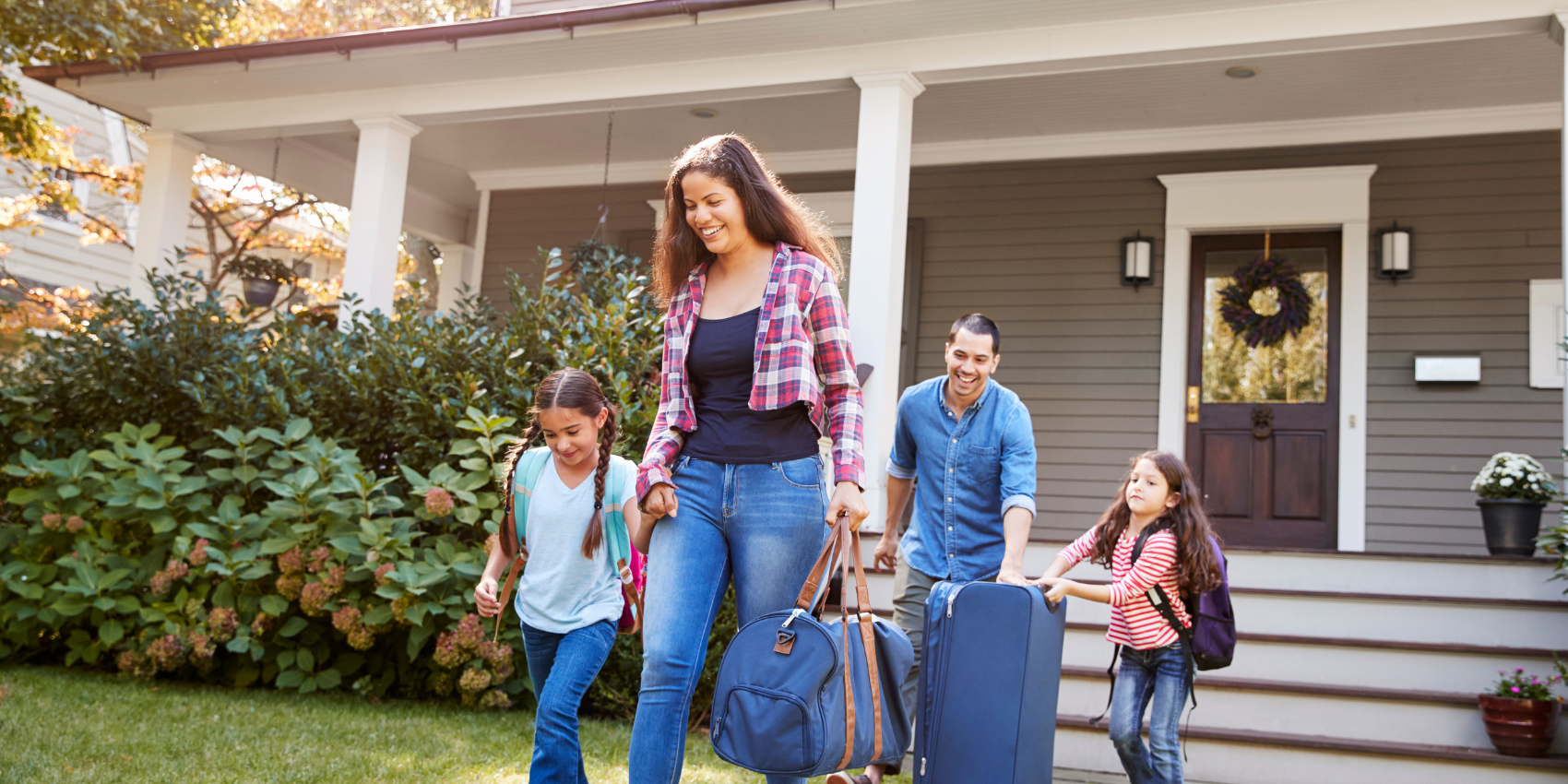
Protecting Your Home While You’re Away
There’s nothing quite like the excitement of heading out on vacation. Whether you’re spending a week at the beach, exploring a new city, or simply enjoying a long weekend away, the last thing you want is to spend your trip worrying about what might be happening back home.
The good news? A little planning can go a long way toward protecting your home and giving you peace of mind while you’re away.
Start with Home Security
One of the best investments you can make is a monitored security system. Today’s systems can alert you to suspicious activity in real time and allow emergency responders to be notified if necessary. Video doorbells and smart cameras provide an additional layer of protection. They allow you to see who’s at your door, monitor activity around your property, and even communicate with visitors remotely.
Before leaving, make sure your security system is fully operational. Replace batteries in sensors, charge any devices that require charging, and test your system to ensure everything is functioning properly.
While it may be tempting, don’t hide a spare key outside. Experienced thieves know all the common hiding spots, including under doormats, flowerpots, fake rocks, and above door frames. Instead, leave a key with a trusted neighbor, friend, or family member who can access your home in an emergency.
Make Your Home Look Occupied
One of the simplest ways to deter criminals is to create the appearance that someone is home. Smart lighting systems can automatically turn lights on and off throughout the day and evening. Many systems even offer “vacation mode,” which mimics normal household activity by varying lighting schedules. If you don’t have smart lighting, inexpensive plug-in timers can accomplish much of the same effect.
Other ways to make your home appear occupied include:
- Mowing your lawn before you leave.
- Arranging for someone to take out trash cans on collection day.
- Leaving a vehicle in the driveway if possible.
Don’t Advertise Your Absence
Social media has made it easy to share vacation photos instantly, but doing so can inadvertently announce that your home is sitting empty. Wait until you return to post photos and updates from your trip. Even if your accounts are private, information can spread farther than intended.
Similarly, don’t let newspapers, mail, or packages pile up outside your home. The U.S. Postal Service allows homeowners to temporarily hold mail while they’re away. Alternatively, ask a trusted neighbor to collect mail and packages for you. It’s also helpful to provide that person with your contact information in case an unexpected delivery arrives.
Prevent Water Damage Before It Starts
Water damage is one of the most common and costly home insurance claims. A small leak that goes unnoticed for several days can cause extensive damage. Before leaving:
- Turn off the main water supply if practical.
- Inspect sinks, toilets, and appliances for signs of leaks.
- Consider installing smart water leak detectors that can send alerts to your phone.
- Place your water heater in vacation mode if your system has that option.
Use Smart Temperature Control
Smart thermostats allow homeowners to monitor and adjust temperatures remotely, providing both convenience and energy savings. During warmer months, many experts recommend setting air conditioning to around 80°F while you’re away. This helps lower your cooling costs. In colder weather, maintaining indoor temperatures around 50°F can help prevent frozen pipes while reducing heating costs.
Reduce Fire Risks
Understand the common causes of home fires and how to prevent them. A few minutes spent preparing your home can significantly reduce fire hazards. Before leaving:
- Test smoke detectors and replace batteries if needed.
- Unplug non-essential electronics and appliances.
- Turn off coffee makers, fans, lamps, and similar devices.
- Ensure your oven and stovetop are off.
- Remove dry brush, dead vegetation, or other combustible materials near your home.
Pro Tip: Close interior doors before you leave. In the event of a fire, this can help slow the spread of smoke and flames.
Secure Valuables
Whether you’re leaving your home completely vacant or hiring a house sitter, it’s wise to secure valuable items. Store important documents, jewelry, family heirlooms, cash, and other irreplaceable possessions in a safe, lockbox, or secure location. Avoid the worst places to stash your valuables. While professional pet sitters and house sitters are often trustworthy and highly qualified, limiting access to valuable items provides an extra layer of protection and peace of mind.
Don’t Forget Basic Housekeeping
Returning to a fresh-smelling house is much more enjoyable than coming home to odors, insects, or spoiled food. Before leaving:
- Empty all trash cans.
- Dispose of perishable food.
- Clean out anything that could attract pests.
- Run the dishwasher and remove food residue from sinks.
Conduct a Final Walk-Through
Just before you leave, perform a complete home check. Walk through every room and verify that:
- Doors are locked.
- Windows are closed and secured.
- Faucets are turned off.
- Appliances are off.
- Blinds and curtains are adjusted appropriately.
- The security system is armed.
Then do one final perimeter check outside to confirm gates are closed, outdoor furniture is secure, and everything appears in order.
If You Hire a House Sitter or Pet Sitter
Having someone regularly visit your home can be one of the most effective ways to deter theft or other issues. Whether you’re using a trusted friend, family member, or professional service, take time to vet the individual carefully.
Consider the following:
- Ask for references and contact them.
- Verify experience and identity.
- Ask whether they carry liability insurance.
- Discuss what happens if they are injured on your property.
- Clarify responsibility if property damage occurs.
- Review any potential pet-related liability concerns.
Provide written instructions that include:
- Emergency contact numbers.
- Veterinary information for pets.
- Security system instructions.
- Utility shut-off locations.
- Procedures for water leaks, severe weather, power outages, or other emergencies.
Review Your Home Insurance Coverage
Finally, take a few minutes to review your homeowners insurance policy. Confirm that your coverage is current; understand what is and is not covered. Some policies may have specific requirements for vacant homes or extended absences.
If you’re planning a lengthy trip, contact your insurance professional to discuss any concerns and determine whether additional coverage may be appropriate.
Safe travels from all of us at California Casualty.
Related Articles
Ready to get a quote?
Get a quote online or speak with a trusted representative by calling 1.866.680.5143.
Get a quote online or speak with a trusted representative by calling 1.866.680.5143.