
The Neighborhood Risk Factor
You maintain your home, lock your doors, and drive safely. Those are all smart ways to protect what matters most. But insurance risk doesn’t stop at your property line. The people and properties around you, the risks associated with where you live, and your community’s ability to respond to emergencies all influence your neighborhood’s overall level of risk. That, in turn, can affect your insurance premium.
Understanding neighborhood risk factors can help you make informed decisions about protecting your home, your vehicle, and your financial future.
Community Risks
- Crime and Vandalism: One of the first things insurers look at is the history of crime in your area. Neighborhoods with higher rates of burglaries, vehicle thefts, vandalism, or property damage generally present a greater risk. Even if your home has never been broken into, living in an area where these incidents occur more frequently may result in higher insurance premiums.
- Traffic and Vehicle Exposure: Your address can also affect your auto insurance. Busy intersections, congested roads, and neighborhoods with heavy commuter traffic often experience more accidents than quieter residential areas. If you regularly park on the street instead of in a garage or driveway, your vehicle may also face a greater risk of theft, vandalism, or damage from passing traffic. While your driving history remains one of the biggest factors in determining your auto premium, where you live can influence your overall level of risk.
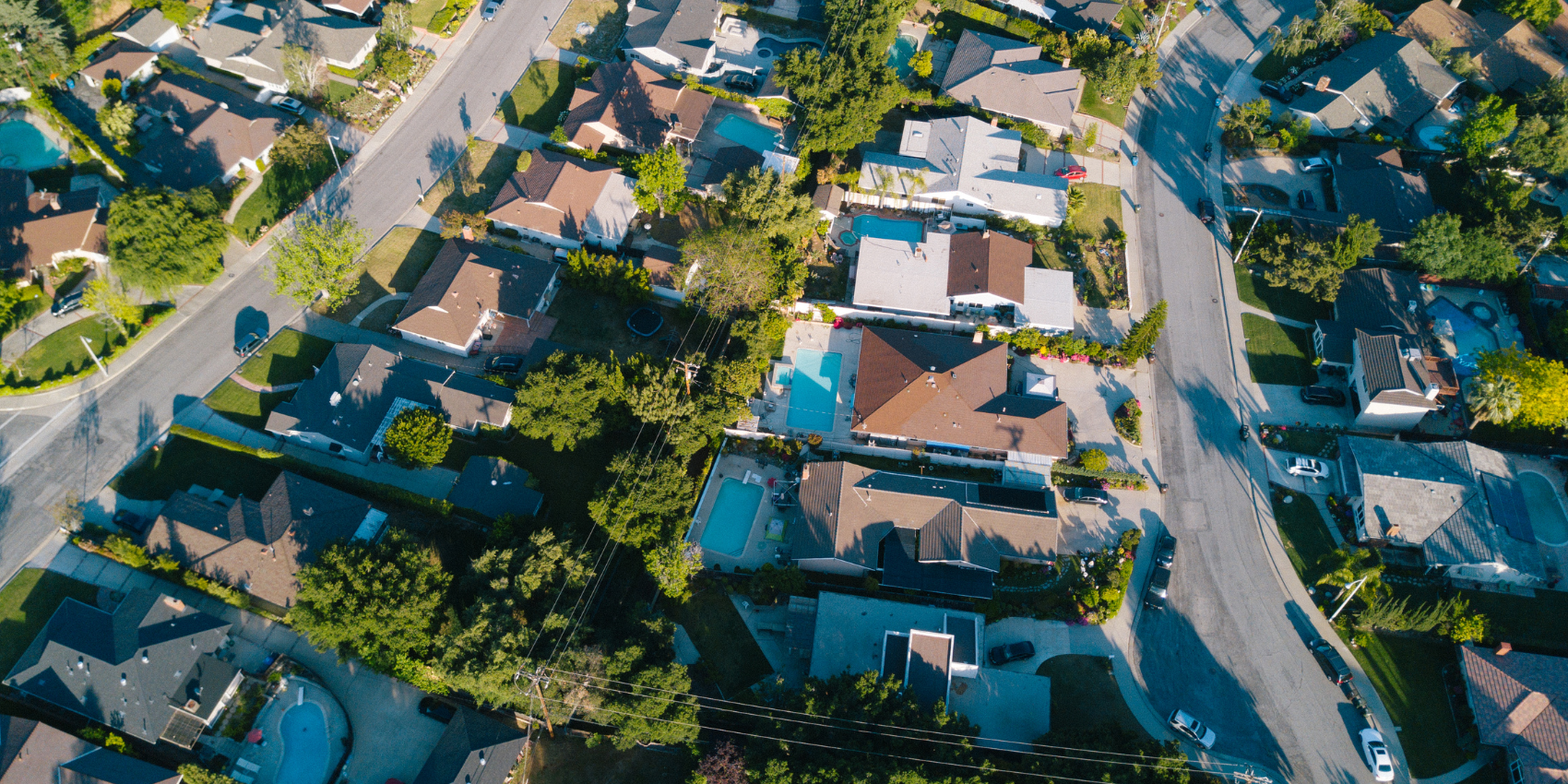
- Population Density: When homes are built close together, you’re not just exposed to risks on your own property. A fire that starts in a neighbor’s home is more likely to spread to yours when houses are only a few feet apart. Similarly, severe storms can damage several neighboring homes at once, leading to larger insurance losses across an entire community.
- Emergency Response: When every minute counts, quick emergency response can reduce the amount of damage caused by a fire or other emergency. Insurance companies often consider how close your home is to a fire station. Areas with faster emergency response times may experience fewer severe losses because firefighters can begin containing the damage sooner. Some insurers also evaluate a community’s overall fire protection capabilities, including available water supplies, hydrants, and other public safety resources.
Weather Related Claims
- Wildfires: Recent wildfires have shown how quickly flames can spread from one property to another. Even homeowners who carefully maintain their own yards can be affected if nearby properties contain dry vegetation or lack adequate wildfire mitigation. Many insurers now evaluate wildfire risk using sophisticated mapping tools that consider vegetation, terrain, weather patterns, and historical fire activity.
- Flooding: Flooding isn’t limited to coastal communities. Heavy rainfall, overflowing rivers, clogged drainage systems, and flash floods can flood basements and damage homes almost anywhere. If your property is located within or near a designated flood zone, your insurance needs may be different than someone living just a few miles away.
Remember that standard homeowners insurance typically does not cover flood damage, making it important to understand your flood risk and whether separate flood insurance is appropriate.
- Hurricanes, Tornadoes, Hail, and Severe Storms: Communities that regularly experience hurricanes, tornadoes, hailstorms, or damaging wind often see higher insurance costs because insurers anticipate a greater likelihood of future claims. These weather events don’t just damage one home; they can affect entire neighborhoods at the same time, leading to widespread losses.
The Age of Your Neighborhood Matters, Too
It’s easy to focus on the age of your own home, but insurers may also consider the characteristics of surrounding properties. Many neighborhoods were built during the same time period, meaning homes often share similar plumbing, electrical systems, roofing materials, and construction methods.
As these components age, insurers may see an increase in claims involving:
- Water damage from aging pipes
- Electrical fires caused by outdated wiring
- Roof failures during severe weather
- Building materials that no longer meet current codes
If a neighborhood has experienced a pattern of similar claims, insurers may view the area as presenting a higher overall risk.
What You Can Control
While you can’t choose your neighbors or change your local weather, you can take steps to better protect your property. Consider:
- Installing security cameras or monitored alarm systems.
- Parking your vehicle in a garage whenever possible.
- Keeping trees trimmed and removing dead branches.
- Cleaning gutters and maintaining your roof.
- Updating older plumbing or electrical systems before problems occur. Invest in sump pump coverage.
- Creating defensible space around your home if you live in a wildfire-prone area.
- Reviewing your insurance coverage annually to make sure it still meets your needs.
These improvements not only help reduce the chance of a loss, but they may also qualify you for insurance discounts depending on your carrier.
While you can’t control every factor, understanding how insurers evaluate neighborhood risk can help you make smart decisions about protecting your home and vehicle. Regular maintenance, proactive safety measures, and reviewing your coverage can help ensure you’re prepared for whatever your neighborhood, and Mother Nature, may bring.
Related Articles
Ready to get a quote?
Get a quote online or speak with a trusted representative by calling 1.866.680.5143.
Get a quote online or speak with a trusted representative by calling 1.866.680.5143.