
What We Keep: The Five Things That Tell the Story of Your Home
If you had just five minutes to gather the things that matter most, what would you reach for?
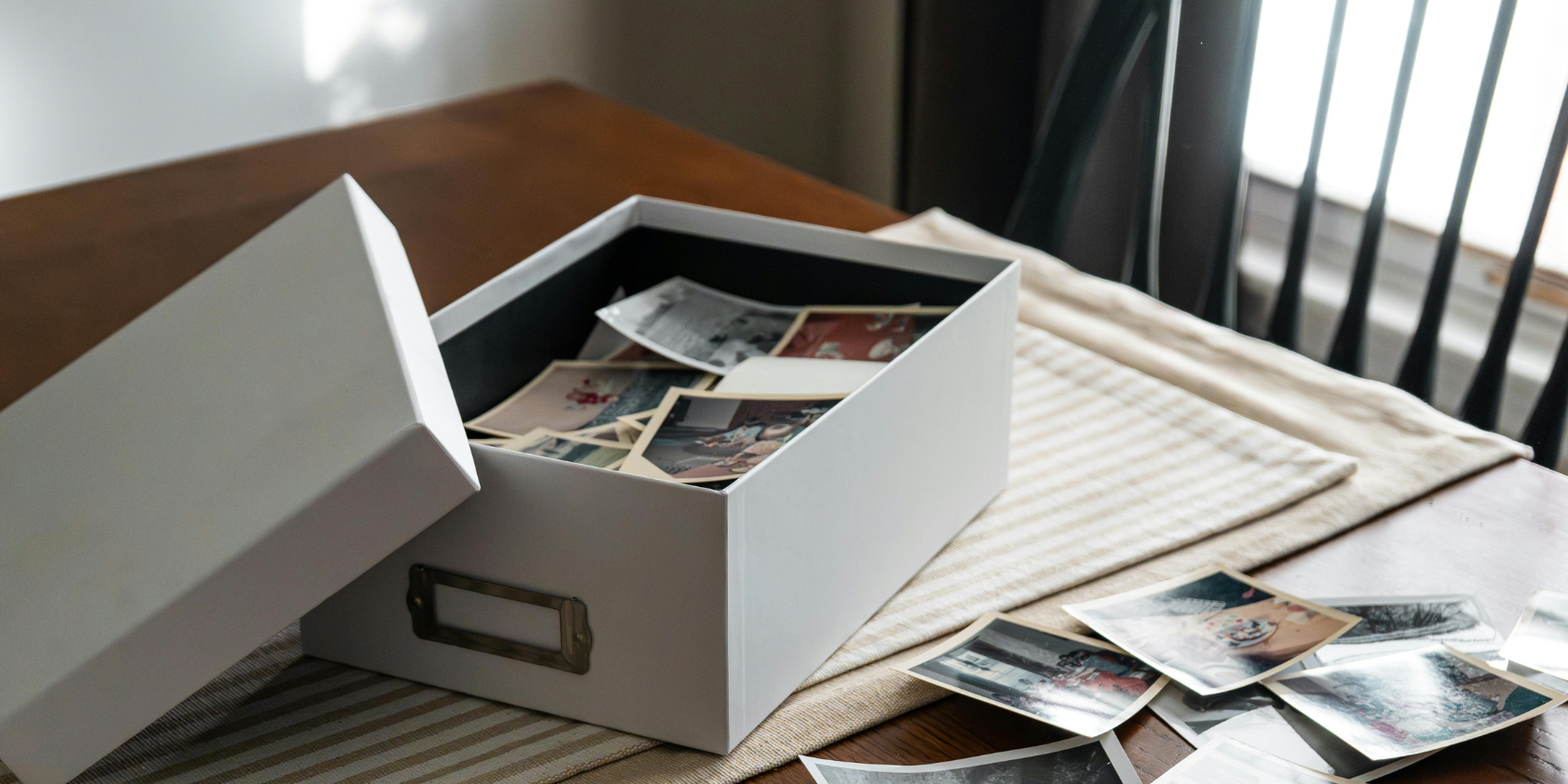
Maybe it’s the family photo album tucked away on a closet shelf. The recipe card in your grandmother’s familiar handwriting. The first letter a student ever wrote to thank you for making a difference. Or the well-worn collar of a beloved pet who’s no longer by your side.
Our homes are filled with things. But some of those things hold much more than monetary value. They tell our stories, celebrate our milestones and remind us of the people, places and moments that have shaped our lives. And while we may not think about them every day, they are often the things we would miss the most.
Taking a closer look at what matters most can help you preserve these cherished memories, create a simple record of your belongings and make sure you have the insurance protection you need. Read on to learn how you can create a memory map that tells the story of your home.
What Would You Save First?
Imagine you had five minutes to leave your home. Everyone in your household, including your pets, is already safely outside. You have time to grab just five things. What would they be? Would you choose something practical, something sentimental or a little of both?
There are no right or wrong answers. In fact, your choices might change depending on where you are in life. A young parent might reach for baby books and family photos. An empty nester might treasure a child’s first drawing or a collection of letters. Someone nearing retirement might choose mementos from a meaningful career.
The point isn’t to prepare for an actual emergency. In a real evacuation, your safety always comes first. It’s simply an opportunity to recognize the objects that tell your story. And once you’ve identified those things, there’s something surprisingly useful you can do with them.
Create a Memory Map of Your Home
Most of us have heard the advice to make a home inventory. But photographing every cabinet, drawer and closet can feel like an overwhelming chore. What if you started with the things you love? Think of it as creating a memory map: a visual record of the belongings that make your home uniquely yours. You don’t need special equipment or an elaborate spreadsheet. Your smartphone is a great place to start.
Step 1: Photograph Your Five Most Meaningful Things
Choose five possessions that hold special memories or represent important parts of your life.
Take a photo of each one and add a short note about why it matters. Include where you normally keep it.
For example:
- Grandma’s recipe box: In the kitchen cabinet, filled with handwritten family favorites.
- My first teaching award: On the bookshelf in the home office, alongside photos of former students.
- Our dog’s first collar: In the bedroom dresser, a reminder of a much-loved companion.
- Family vacation scrapbook: On the living room bookshelf, documenting 20 years of adventures.
- Dad’s watch: In the jewelry box, passed down from one generation to the next.
You might even discover that the stories behind these objects are worth sharing with your children or grandchildren.
Step 2: Find Your Five Most Valuable Things
Now shift your focus from sentimental value to financial value. What are the five most expensive things you own? Perhaps it’s an engagement ring, a laptop, a bicycle, a musical instrument or a piece of artwork. Maybe it’s the home theater system you’ve gradually upgraded or the professional equipment you use for work.
Photograph each item, including the brand, model and serial number when applicable. If you have receipts, appraisals or warranties, save digital copies with your photos. This is also a good time to consider whether certain possessions, such as jewelry, collectibles or fine art, may need additional insurance coverage because standard policies often have special limits for these categories.
Step 3: Look Beyond the Living Room
Some of our most important and valuable belongings aren’t in the places we think to look. Consider the things stored in your garage, attic, basement, closets or even your car.
Think about:
- Sports equipment, bicycles and tools in the garage.
- Holiday decorations, family heirlooms and keepsakes in storage.
- Laptops, tablets and other electronics in backpacks or work bags.
- Professional supplies, uniforms and equipment used for teaching, nursing or public safety.
- Pet carriers, crates and supplies that can add up in value.
Take a few photos of these spaces, too. You don’t necessarily need to document every individual item. A wide-angle photo of a closet or garage shelf can help you remember what was there.
One important distinction:Personal property coverage may extend to belongings away from home, but limits and exclusions vary. Items kept in vehicles and equipment used for business or professional purposes may have different coverage considerations.
Why Your Memory Map Matters
Hopefully, your memory map will never be needed for anything more serious than reminiscing. But imagine trying to remember everything you owned after a fire, severe storm, theft or other unexpected event. Could you list the contents of every closet? Remember the brand of your television? Estimate how much you’ve spent on tools, sports equipment or kitchen appliances over the years? Most of us would struggle.
A visual record can make that process easier. Photos, descriptions and receipts can help you document belongings and support an insurance claim if you ever need to replace them. Keep your memory map somewhere you can access even if your home or phone is damaged. A secure cloud account or other protected digital backup is a good option. Update it periodically, particularly after major purchases or life changes. And don’t forget to share the location of your inventory with another trusted member of your household.
Does Your Insurance Still Fit Your Life?
As you document the things that matter, it’s also a good opportunity to consider whether your homeowners or renters insurance reflects what you own today. After all, your home and everything in it probably look a little different than they did five or 10 years ago.
You’ve replaced furniture, purchased electronics, acquired keepsakes and perhaps invested in renovations or improvements. Meanwhile, inflation and rising construction and labor costs may have increased the expense of repairing or rebuilding your home.
Ask yourself a few questions:
Could I replace my belongings at today’s prices? Check whether your personal property coverage provides replacement cost or actual cash value protection. Replacement cost coverage generally pays to replace covered belongings with comparable new items, subject to your policy’s terms, limits and deductible. Actual cash value accounts for depreciation.
Does my home’s dwelling coverage reflect current rebuilding costs? The amount you paid for your home isn’t necessarily what it would cost to rebuild. Renovations, additions and changes in construction costs can affect the amount of coverage you need.
Are my most valuable possessions adequately protected? Jewelry, antiques, collectibles and certain professional equipment may be subject to coverage limits or exclusions. Ask your insurance representative whether additional protection is appropriate.
Have I reviewed my policy recently? A major purchase, home improvement or significant life change is a good reason to revisit your coverage. A conversation with your insurance representative can help you identify gaps and better understand the protection you already have.
More Than Things
At the end of the day, the things we treasure most aren’t necessarily the ones with the highest price tags. They’re the things that remind us who we are, where we’ve been and whom we’ve loved along the way. So, the next time you have a few quiet minutes at home, look around. Find five things that tell your story. Take their pictures. Remember why they matter. Because protecting what matters starts with knowing what matters most.
Related Articles
Ready to get a quote?
Get a quote online or speak with a trusted representative by calling 1.866.680.5143.
Get a quote online or speak with a trusted representative by calling 1.866.680.5143.