
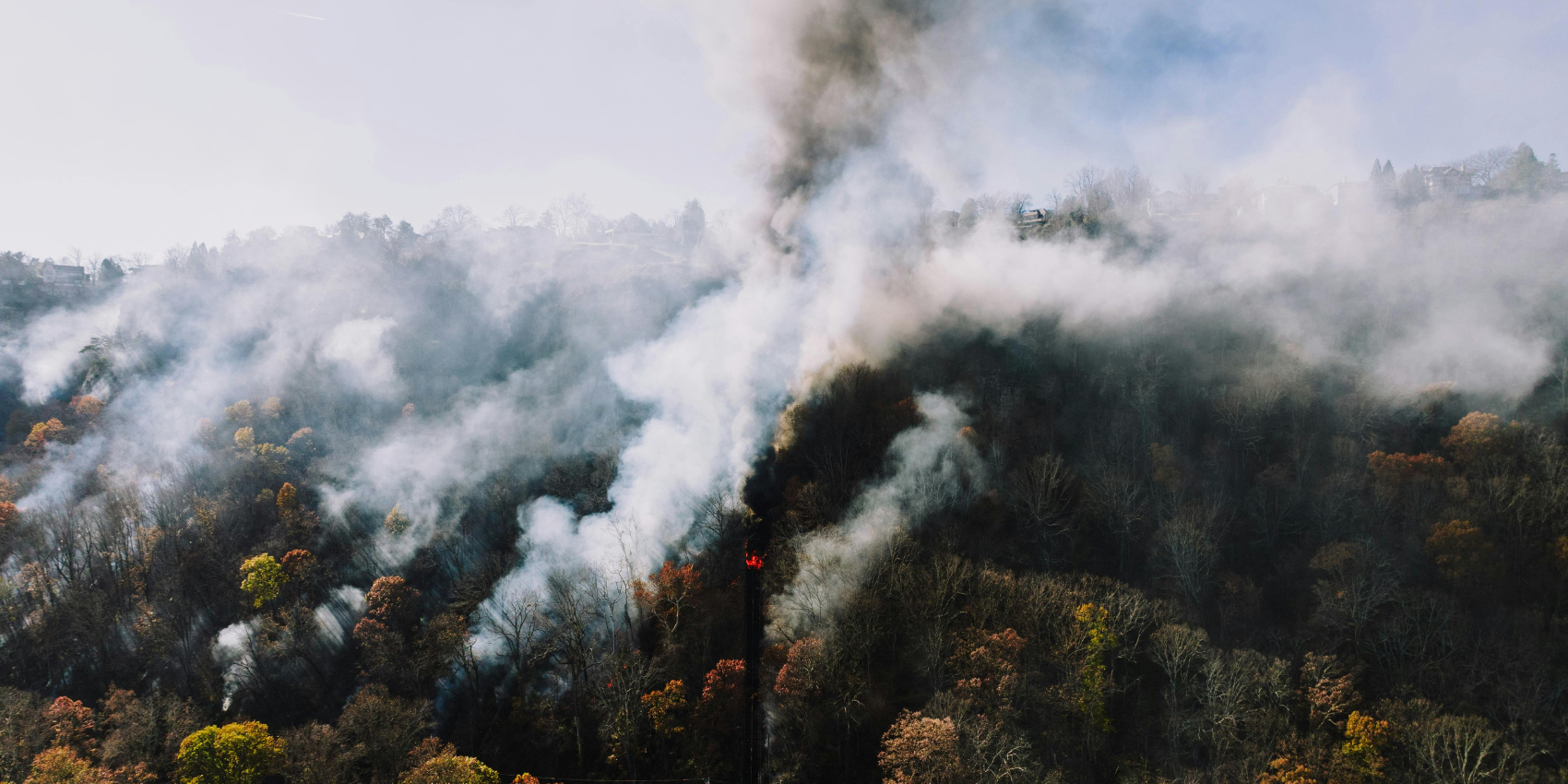
Wildfire Smoke Safety for Firefighters
Wildfire season brings more than heat, flames and long hours. It also brings prolonged exposure to smoke. For firefighters, avoiding smoke exposure isn’t realistic. But understanding the risks and taking steps to reduce exposure, stay hydrated and recover properly can help protect your lungs and overall health, both on the fire line and long after the season ends.
Why Wildfire Smoke Is Especially Dangerous
Wildfire smoke contains a mix of fine particles, carbon monoxide (CO), volatile organic compounds and other hazardous air pollutants. But it’s not the same as the smoke you might encounter at a campfire or fireplace.
Wildfire smoke can contain much higher concentrations of microscopic toxic particles, and it can travel long distances. It also comes from burning much more than wood. When a wildfire moves into developed areas, the smoke may contain chemicals released from burning homes, vehicles, plastics and other synthetic materials.
For firefighters, that means smoke exposure can be especially intense, and the smallest particles are a particular concern. They can travel deep into the lungs, where they can cause inflammation and irritation. Repeated or prolonged exposure can also affect the cardiovascular system and contribute to longer-term health risks.
The Right Respiratory Protection
Respiratory protection is one of the most important ways you can reduce your exposure to smoke.
When appropriate for the situation, use a particulate respirator that has been tested and approved by the National Institute for Occupational Safety and Health (NIOSH). Look for the letters “NIOSH” and a designation such as “N95” or “P100”printed on the respirator. SCBA (self-contained breathing apparatus) provides a higher level of respiratory protection when conditions require it.
Keep in mind, however, that wearing a respirator – particularly while working hard in hot conditions – can add to heat stress. Use rehabilitation breaks to cool down, rest and drink fluids. If permitted by your respiratory protection program, a respirator with an exhalation valve may feel cooler and easier to breathe through.
OSHA Limits Not Designed for Firefighting
It’s also important to understand that conventional workplace exposure limits don’t necessarily reflect the exposures faced by wildland firefighters. OSHA limits for carbon monoxide and airborne particles are generally based on an eight-hour workday. When fighting fires, you may work much longer shifts and encounter smoke containing very fine particles that differ from ordinary workplace dust.
And exposure doesn’t stop when you leave the fire line. Smoke-related contaminants can settle on your skin, clothing, boots, tools and protective equipment, creating additional opportunities for exposure after an incident.
Reducing Smoke Exposure
That makes exposure reduction especially important. When conditions allow, tactics such as flanking attacks – approaching the fire from the side rather than moving directly into the head of the fire – can help reduce time spent in the heaviest smoke. Similarly, working from lighter fuel lines, where vegetation is less dense and the fire behavior may be less intense,can reduce the need to make direct head attacks through heavy smoke. These approaches can help limit smoke exposure while still allowing your crew to make progress on the fire.
Clean-air recovery periods are also important. Whenever possible, take rehabilitation breaks in an area with cleaner air rather than continuing to work in a smoky environment.
After your shift is done, decontamination practices – including showering, cleaning gear and equipment, and changing into clean clothing – can help reduce the amount of smoke-related contaminants that you carry with you.
Stay Ahead of Dehydration
Heat, physical exertion, protective gear and long hours on the fire line all increase fluid loss. Dehydration can contribute to fatigue, impaired performance and heat-related illness, especially during summer shifts.
Before a shift
Don’t wait until you’re on the fire line to start hydrating. Drink fluids in the hours before your shift and eat normally, including some salty foods. One simple way to check your hydration is to look at your urine: pale yellow generally means you’re well hydrated.
During an incident
Drink regularly rather than waiting until you feel thirsty. During long periods of hard work in the heat, you may need a significant amount of fluid. Water is important, but electrolyte-containing drinks can also help replace the sodium and other electrolytes you lose through sweat, especially during prolonged, sweaty work.
After the incident
Your hydration needs don’t end when the fire is out. Continue drinking fluids and replacing electrolytes lost through sweating. If you weigh yourself before and after a shift, using dry clothing both times, the difference can give you an idea of how much fluid you lost. As a general guide, replacing about 16–24 ounces of fluid for every pound lost can help restore hydration.
Don’t Ignore Smoke Exposure Symptoms
Don’t ignore symptoms that develop during or after smoke exposure. Some may be temporary and mild, while others can be a sign that you’ve had a more significant exposure and need medical attention.
Mild to moderate symptoms may include:
- Watery or stinging eyes
- Scratchy or sore throat
- Coughing or mild wheezing
- Runny or irritated nose
- Headache or unusual tiredness
Serious symptoms require prompt medical attention:
- Difficulty breathing or shortness of breath
- Chest tightness
- Persistent coughing or choking
- Noisy breathing
- Confusion, dizziness or extreme drowsiness
Protect Your Health for the Long-Term
Protecting your lungs is a long-term effort. On smoky days, keep station and living areas as clean-air environments as possible. Consider using appropriately rated air purifiers, keep windows closed when outdoor air quality is poor, and use your vehicle’s air conditioning on the recirculate setting when driving through smoke.
Good nutrition, adequate sleep, hydration and regular medical checkups also give your body a better foundation for handling the physical demands of firefighting. The goal isn’t simply to make it through wildfire season. It’s to protect your health so you can continue doing the work you care about, and enjoy the people, places and moments that matter to you long after the fire is out.
Thank you for the work you do to protect our communities. Stay safe, take care of yourself and look out for one another.
Related Articles
Ready to get a quote?
Get a quote online or speak with a trusted representative by calling 1.866.680.5143.
Get a quote online or speak with a trusted representative by calling 1.866.680.5143.