
Dangers of a Convenience Culture
We’ve never had it easier. Groceries arrive at our doorstep with a click. Packages appear virtually overnight. We unlock our doors with our phones, ask virtual assistants to turn on the lights, and let smart devices manage everything from our thermostats to our home security systems.
Convenience has become so much a part of everyday life that we rarely stop to think about it. The truth is, the same technology that saves us time can also create new vulnerabilities – leaving our homes, finances, identities, and families more exposed than many of us realize.
The Hidden Costs of Convenience
Convenience often comes with an obvious price tag, like paying extra for food delivery or expedited shipping. But there are hidden costs, too – ones that can be far more expensive than a delivery fee.
Identity Theft and Online Scams
Every day we share pieces of our lives online, from birthdays and family photos to shopping habits and email addresses. Individually, these details may seem harmless. Together, they can give criminals enough information to steal your identity. Identity theft can lead to fraudulent credit cards, loans opened in your name, drained bank accounts, and damaged credit that can take years to repair.
Phishing scams have become increasingly sophisticated as well. A text message that appears to be from your bank, a package delivery service, or even your employer may actually be designed to trick you into clicking a malicious link or revealing personal information. Even if you’re careful, data breaches at companies where you shop or store your information can expose your personal data without you ever knowing.
Package Theft and Delivery Scams
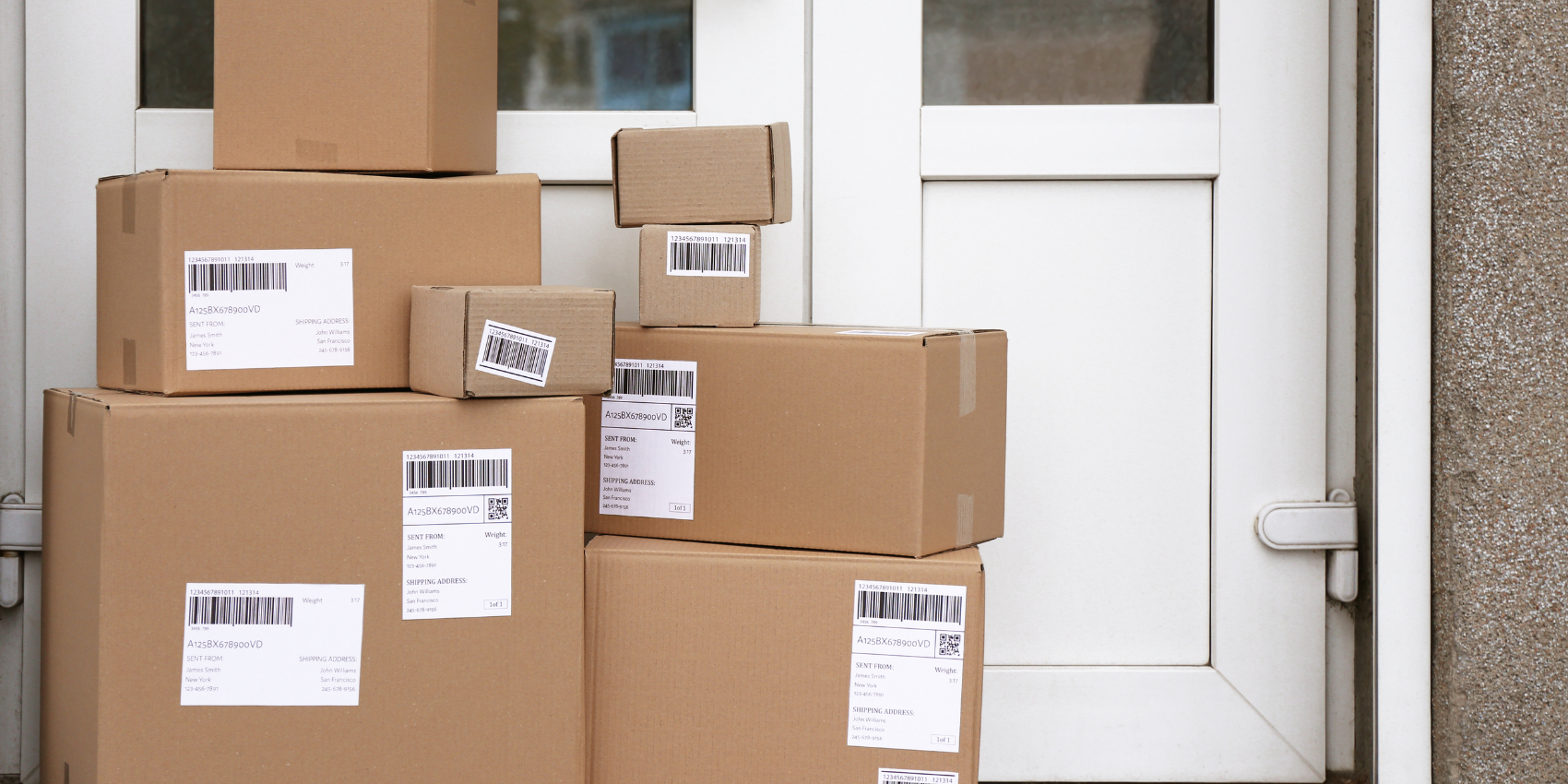
Online shopping has exploded, and so has package theft. Millions of packages disappear from porches every year. Some thieves even use signal-jamming devices to interfere with Wi-Fi-connected cameras, making it harder for homeowners to capture clear footage. Criminals also send fake shipping notifications designed to convince people to click fraudulent links, pay fake delivery fees, or provide sensitive personal information.
Smart Homes Aren’t Immune
Smart locks, security cameras, thermostats, garage door openers, and voice assistants make life easier but they also create additional entry points for cybercriminals. Weak passwords, outdated software, or leaving a router’s default settings unchanged can make it easier for someone to gain unauthorized access to your connected devices. The more connected your home becomes, the more important it is to treat your digital security with the same care you give your physical security.
What This Means for Homeowners
Convenience isn’t the problem. In fact, smart technology has made our homes safer, more efficient, and easier to manage than ever before. The key is making sure you put the right protections in place. Here are a few practical steps you can take.
Protect Your Digital Life
Many of today’s biggest threats don’t come through your front door. They come through your inbox, your phone, or your home Wi-Fi network. Reduce your risk by:
- Using strong, unique passwords for your online accounts and connected devices.
- Enabling multi-factor authentication whenever it’s available.
- Installing software and firmware updates as soon as they’re released.
- Changing the default password on your home internet router and securing your Wi-Fi network.
- Updating your smart devices regularly and removing any connected devices you no longer use.
Protect Your Home
Investing in an up-to-date security system provides added peace of mind and could give you an insurance discount. Video doorbells, security cameras, motion-activated lighting, and quality deadbolts can discourage thieves including porch pirates. If you’re expecting a valuable delivery, consider having it shipped to your workplace, using a secure package locker, or asking a trusted neighbor to collect it. For additional tips, see our blog on home security.
Protect Your Investment
As our homes become more connected, they’re also filled with more valuable technology. That’s why it’s important to make sure your insurance keeps up.
Review your homeowners policy each year, especially if you’ve remodeled, purchased expensive electronics, added smart home devices, or started working from home. Ask your insurance agent whether your personal property limits are still adequate and whether valuable items – such as jewelry, collectibles, or specialized equipment – need additional coverage.
It’s also worth asking whether your belongings are covered at replacement cost, which generally pays what it costs to buy a comparable new item today, or actual cash value, which factors in depreciation.
Consider Special Computer Coverage
Most homeowners policies provide some coverage for computers and electronic devices, but the protection may be limited. If your family relies on laptops, tablets, smartphones, or desktop computers for work, school, or everyday life, ask whether special computer coverage is available. Depending on the policy, it may cover accidental damage – such as dropping your laptop or spilling a drink on it – and may provide broader protection than a standard homeowners policy.
Create a Home Inventory Before You Need It
If a fire, theft, or severe storm damages your home, remembering everything you owned can be surprisingly difficult. Take photos or videos of each room, keep receipts for major purchases, and maintain a digital inventory of valuable belongings stored securely online. Having this information readily available can make filing an insurance claim faster and much less stressful.
By practicing good digital security, taking simple steps to protect your home, and reviewing your insurance coverage regularly, you can enjoy the benefits of today’s connected world while reducing the risks that come with it. After all, convenience should make life easier – not more expensive.
Related Articles
Ready to get a quote?
Get a quote online or speak with a trusted representative by calling 1.866.680.5143.
Get a quote online or speak with a trusted representative by calling 1.866.680.5143.